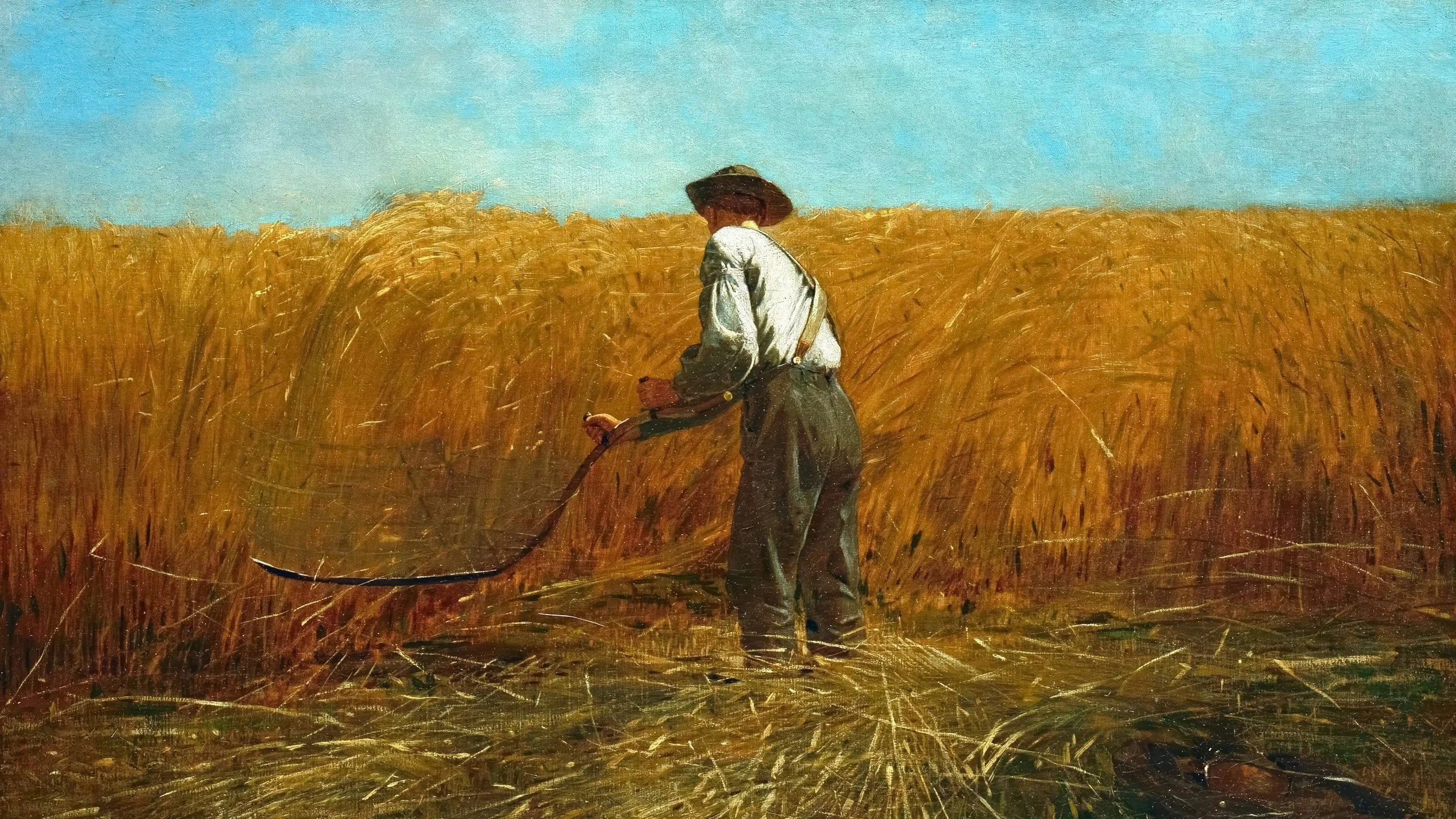
Deuteronomy 16:9-12
Whence to number their seven weeks, from the time thou beginnest to put the sickle to the corn (v. 9), that is, from the morrow after the first day of the feast of unleavened bread, for on that day (though it is probable the people did not begin their harvest till the feast was ended) the messengers were sent to reap a sheaf of barley, which was to be offered to God as the first-fruits, Lev. 23:10. Some think it implies a particular care which Providence would take of their land with respect to the weather, that their harvest should be always ripe and ready for the sickle just at the same time.

Deuteronomy 9:1-6
He will be honoured in the performance of his promise to those that are in covenant with him: God swore to the patriarchs, who loved him and left all to follow him, that he would give this land to their seed; and therefore he would keep that promised mercy for thousands of those that loved him and kept his commandments; he would not suffer his promise to fail. It was for their fathers’ sakes that they were beloved, Rom. 11:28. Thus boasting is for ever excluded. See Eph. 1:9, 11.

Deuteronomy 6:1-3
Religion and righteousness advance and secure the prosperity of any people. Fear God, and it shall be well with thee. Those that are well taught, if they do what they are taught, shall be well fed too, as Israel in the land flowing with milk and honey, v. 3.

Deuteronomy 28:15-44
In general, it is declared, “All these curses shall come upon thee from above, and shall overtake thee; though thou endeavour to escape them, it is to no purpose to attempt it, they shall follow thee whithersoever thou goest, and seize thee, overtake thee, and overcome thee,” v. 15. It is said of the sinner, when God’s wrath is in pursuit of him, that he would fain flee out of his hand (Job 27:22), but he cannot; if he flee from the iron weapon, yet the bow of steel shall reach him and strike him through. There is no running from God but by running to him, no fleeing from his justice but by fleeing to his mercy. See Ps. 21:7-8.
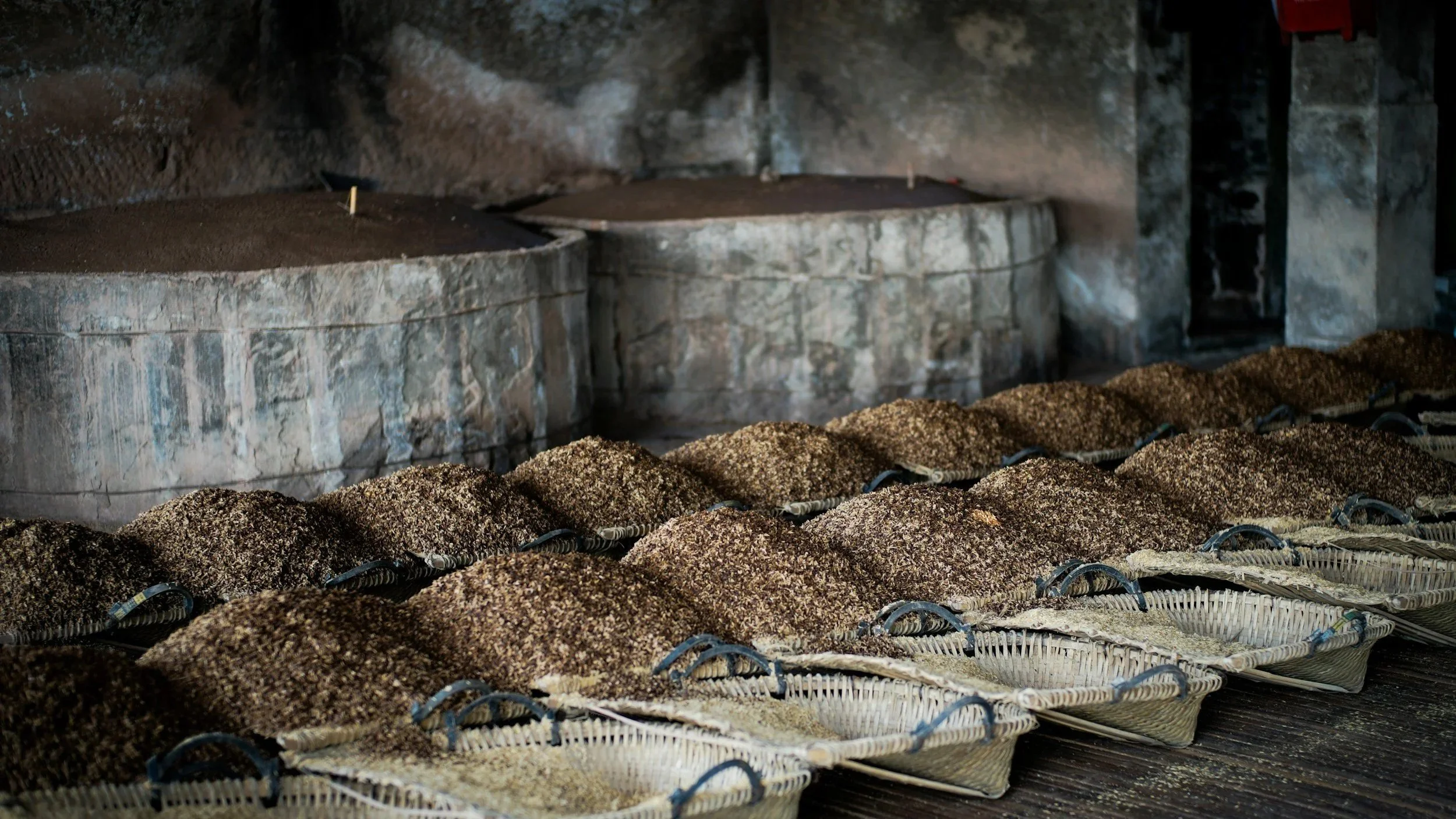
Deuteronomy 26:1-11
Now from this law we may learn to acknowledge God as the giver of all those good things which are the support and comfort of our natural life, and therefore to serve and honour him with them. To deny ourselves. What is first ripe we are most fond of; those that are nice and curious expect to be served with each fruit as its first coming in. My soul desired the first ripe fruits, Micah 7:1. When therefore God appointed them to lay those by for him he taught them to prefer the glorifying of his name before the gratifying of their own appetites and desires. To give to God the first and best we have, as those that believe him to be the first and best of beings. Those that consecrate the days of their youth, and the prime of their time, to the service and honour of God, bring him their firstfruits, and with such offerings he is well pleased. I remember the kindness of thy youth.
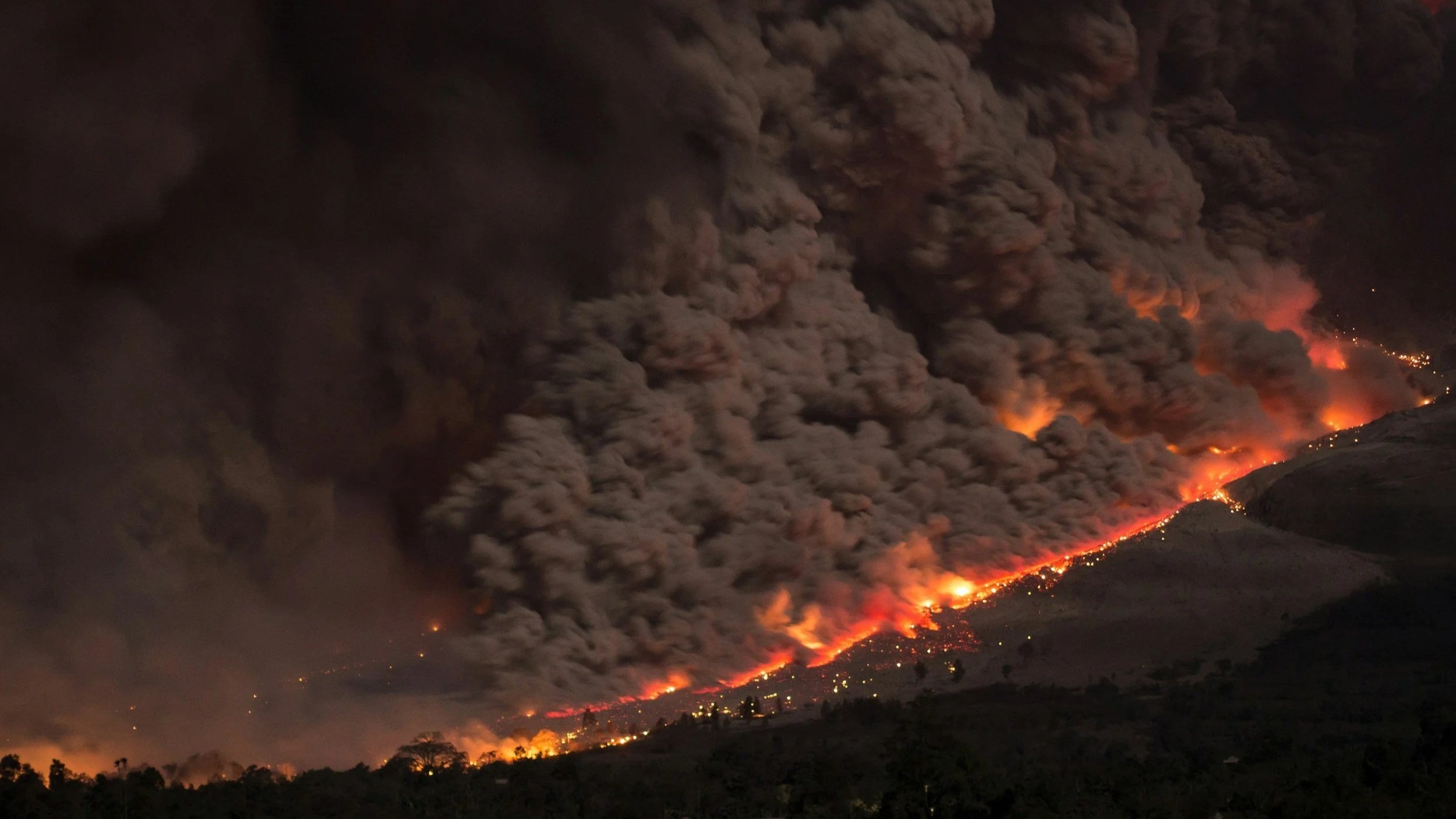
Deuteronomy 32:22-25
The fire of God’s anger shall consume them, v. 22. Are they proud of their plenty? It shall burn up the increase of the earth. Are they confident of their strength? It shall destroy the very foundations of their mountains: there is no fence against the judgments of God when they come with commission to lay all waste. It shall burn to the lowest hell, that is, it shall bring them to the very depth of misery in this world, which yet would be but a faint resemblance of the complete and endless misery of sinners in the other world.
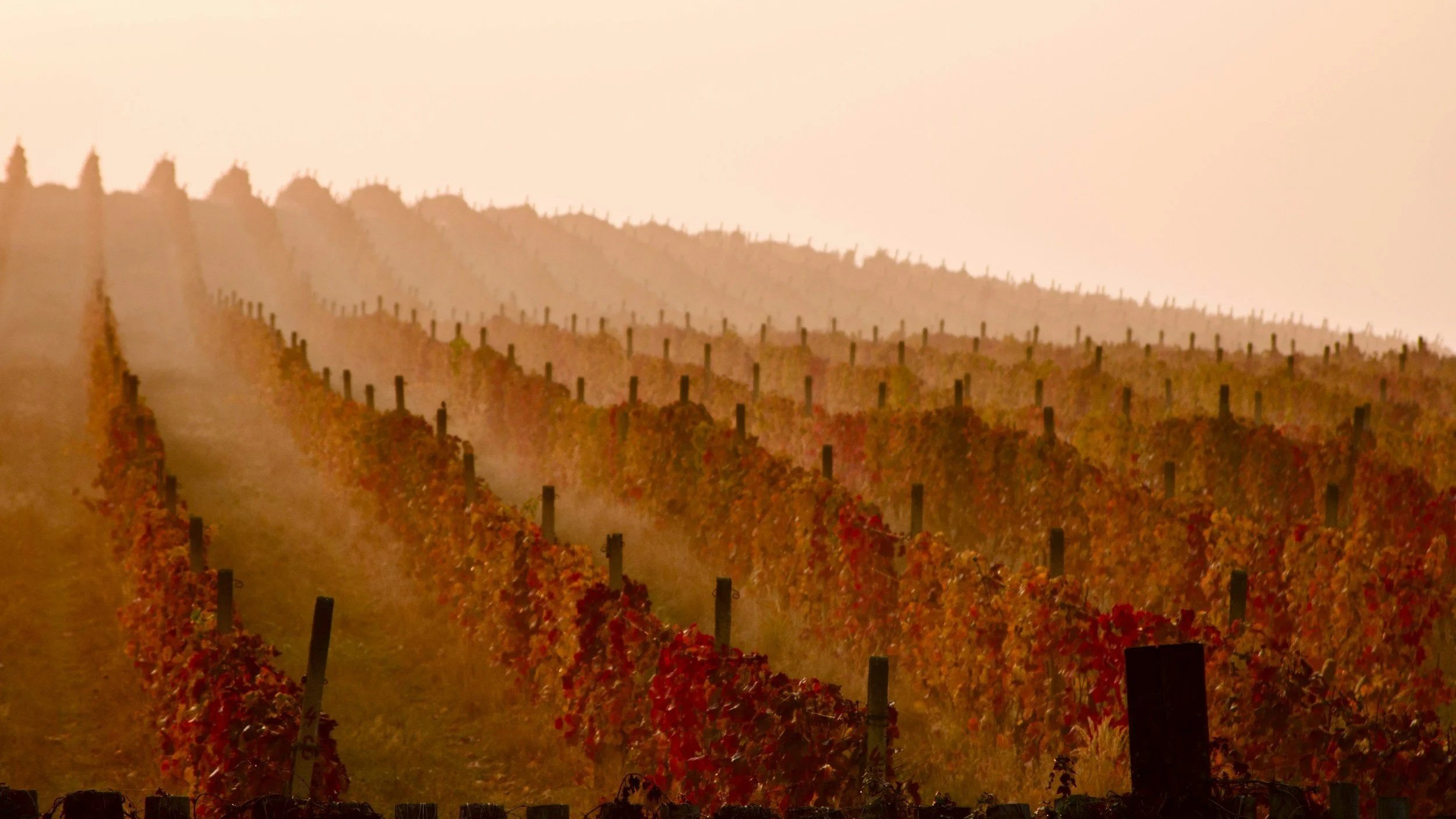
Genesis 49:11-12
If the Lord deals very bountifully with us, yet he frequently prescribes the rule of using his gifts with purity and frugality, lest they should stimulate the incontinence of the flesh. But in this place Jacob, omitting to state what is lawful, extols that abundance which would suffice for luxury, and even for vicious and perverse excesses unless the sons of Judah should voluntarily use self-government.
Galatians 6:9
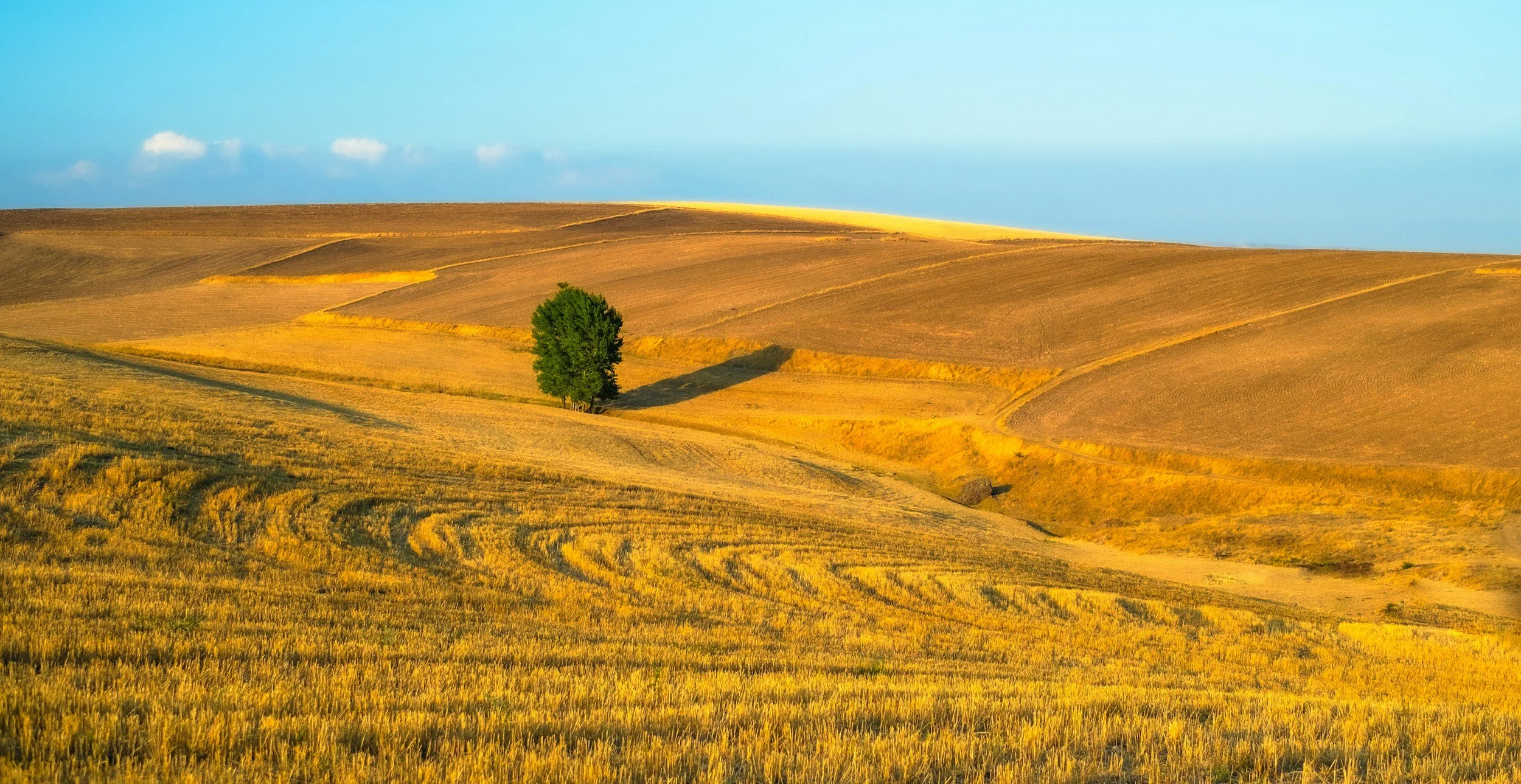
Like “the husbandman” who “waiteth for the precious fruit of the earth, and hath long patience for it, till he has received the former and latter rain,” the Christian must also “be patient and stablish his heart.” Our time is always ready; but it is not for us either to know or to regulate the times and the seasons. The Father has kept them in his own power. The harvest is certain. This we are assured of, and, moreover, that if our own fault prevent not, it will be abundant and joyful. Whether it is to be an early or a late one depends entirely on the arrangements of Him who is “wonderful in counsel, and excellent in working.” And is it not right that it should be so? Is it not enough to be assured that in due season — at the period fixed by infinite wisdom and kindness — our objects shall be completely gained, our exertions abundantly rewarded?

Galatians 6:8
The Christian is not like a labourer in the mines, who must look to the upper regions for nourishment and support, and who cannot turn to immediate use the results of his toilsome operation; but, like the agriculturist, all who labour goes directly to the production of what is nourishing, and who is supported by the very same kind of material as that in the cultivation of which he is engaged. Every just view of Christian truth — every holy disposition — is a source of enjoyment opened to the Christian in this waste and howling wilderness; and it is perfect knowledge and perfect holiness which form “the river of life, clear as crystal, issuing forth from beneath the throne of God and of the Lamb,” along whose banks all the nations of the saved repose, “and drink their fill of its pure immortal streams.”

Genesis 48:15
Now though God causes his sun to shine indiscriminately on the good and evil, and feeds unbelievers as well as believers: yet because he affords, only to the latter the peculiar sense of his paternal love in the use of his gifts, Jacob rightly uses this as a reason for the confirmation of his faith, that he had always been protected by the help of God. Unbelievers are fed, even to the full, by the liberality of God: but they gorge themselves, like swine, which, while acorns are falling for them from the trees, yet have their snouts fixed to the earth. But in God’s benefits this is the principal thing, that they are pledges or tokens of his paternal love towards us.

Ecclesiastes 3:1
There is, then, a season for every work of God, and it comes in its season. Every work has its part to fulfil, and it does fulfil it. There was a season for Israel’s deliverance from Egypt, and for the return from Babylon. Nothing could either force on, or keep back, the time. “On the self-same day,” the deliverance was at once developed and consummated. (Exod. 12:41; Ezra 1:1) To have looked for it at any other time — whether sooner or later — would only have brought disappointment. There was “the fulness of time,” the appointed season — the fittest time — for the Saviour’s advent. (Gal. 4:4)
Acts 20:28
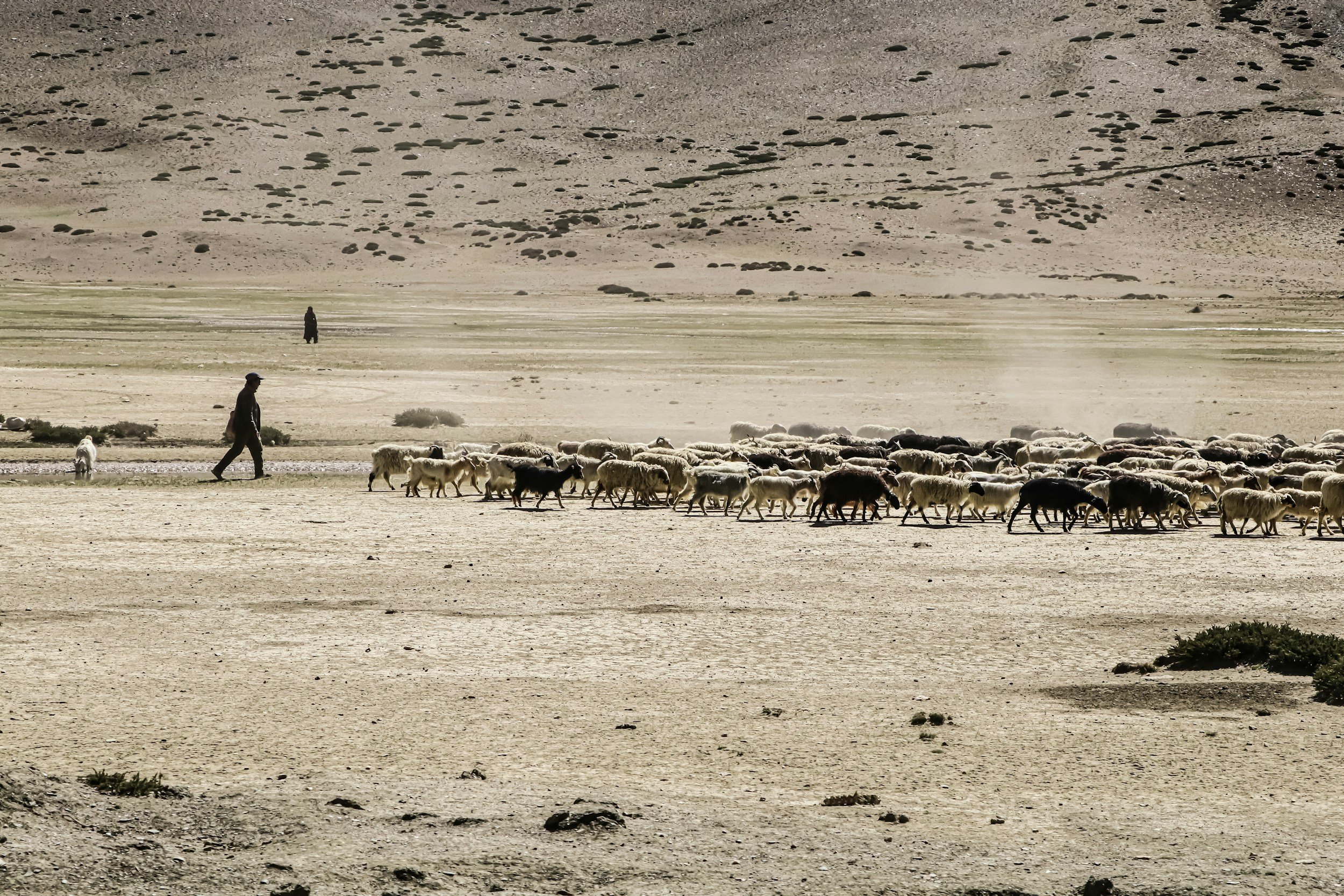
They must feed the church of God, must do all the parts of the shepherd’s office, must lead the sheep of Christ into the green pastures, must lay meat before them, must do what they can to heal those that are distempered and have no appetite to their meat, must feed them with wholesome doctrine, with a tender evangelical discipline, and must see that nothing is wanting that is necessary in order to their being nourished up to eternal life. There is need of pastors, not only to gather the church of God by the bringing in of those that are without, but to feed it by building up those that are within.
Genesis 43:1-13
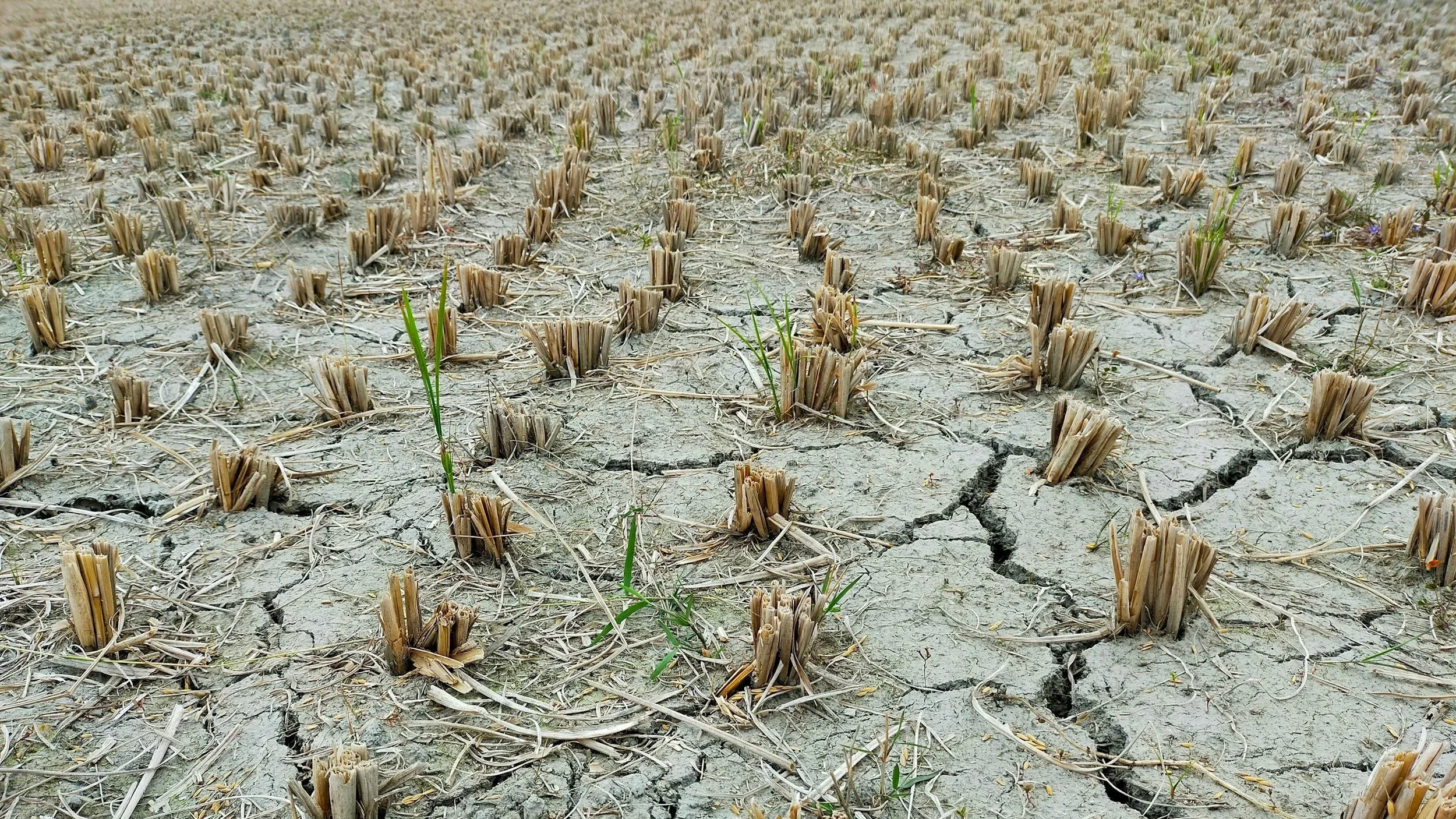
This was, indeed, a severe trial, that holy Jacob, of whom God had engaged to take care, should almost perish, with his family, through hunger, and that the land of which he was constituted the lord, in order that he might there happily enjoy the abundance of all things, should even deny him bread as a stranger. For he might seriously doubt what was the meaning of that remarkable promise, “I am God Almighty, grow and multiply: I will bless thee.” It is profitable for us to know these conflicts of the holy fathers, that, fighting with the same arms with which they conquered, we also may stand invincible, although God should withhold present help.
Ecclesiastes 11:3-4
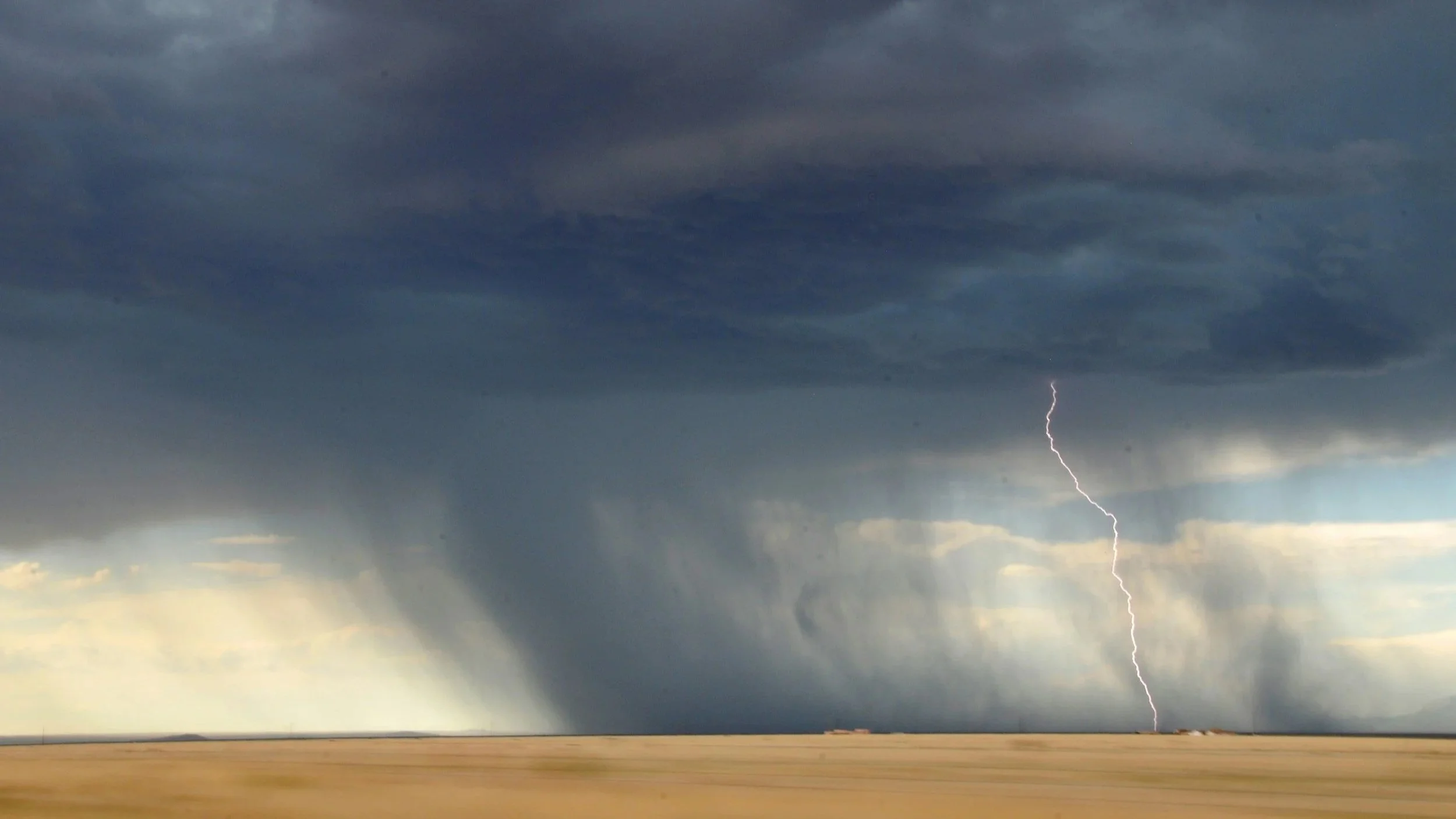
Solomon abounds in happy illustrations. (Mercer.) Here he pictures the sun exhaling its watery vapours from the earth, not to retain, but to discharge them, that they may break as clouds ‘big with blessings’ upon the earth again. And is not the man of God the cloud full of rain — blessed, as a child of Abraham, that he may be made “a blessing?” (Gen. 12:2) The blessing will not be lost. There is good security for the return of well-principled benevolence. Where it has been dispensed, there let it be looked for: there it will be found, here or hereafter — just as the tree — in the place where it falleth — whether towards the south or towards the north — there it shall be.

Psalm 90:1-7
“In the morning it flourisheth, and groweth up.” Blooming with abounding beauty till the meadows are all besprent with gems, the grass has a golden hour, even as man in his youth has a heyday of flowery glory. “In the evening it is cut down, and withereth.” The scythe ends the blossoming of the field-flowers, and the dews at night weep their fall. Here is the history of the grass — sown, grown, blown, mown, gone; and the history of man is not much more. Natural decay would put an end both to us and the grass in due time; few, however, are left to experience the full result of age, for death comes with his scythe, and removes our life in the midst of its verdure. How great a change in how short a time! The morning saw the blooming, and the evening sees the withering.

Ecclesiastes 2:18-23
This passage presents another aspect of vanity, and to the wise man a great grief. All his great works of wisdom and labour, which had ministered to him a temporary satisfaction, after a while became to him objects of disgust. They must be left, and to whom he could not tell. David had no such anxieties. His heart had not been set upon his treasures, and therefore it was no sacrifice to him to part with them. Besides, he well knew the consecrated use to which his wise son would apply them. (1 Chron. 28:11-21; 29:1-22) But Solomon probably had his forebodings of the man who should come after him. And the history of the son fully justified the anxious question — Who knoweth whether he shall be a wise man or a fool? (Ps. 49:10 Comp. Ps. 39:6)
Ecclesiastes 3:2
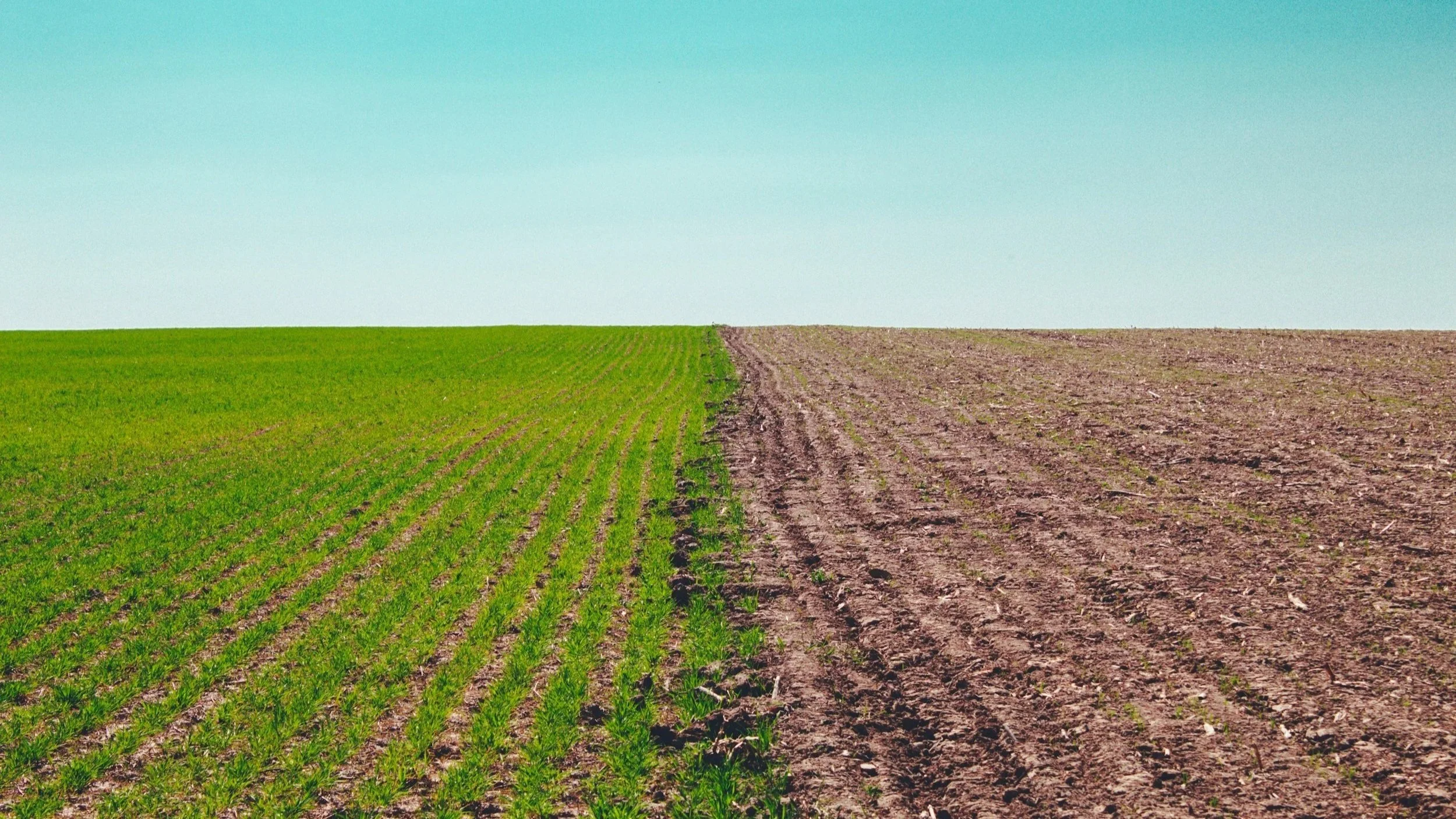
But not only the two great points, but every atom of life has its relative importance. To everything there is a season and a purpose. Within the boundary of life there is therefore a time to plant, and a time to pluck up that which is planted.Planting had been to Solomon a matter of primary interest. (Eccl. 2:4-5) But how soon might the season come to undo his own work, and to pluck up that which was planted! Often is a garden or estate laid out with plantations — whether for present pleasure or future advantage. Yet change of mind or of taste — withering winds — over-luxuriant growth — pecuniary necessity or profit — may induce the owner to pluck up. Thus does the most ordinary course of life exhibit a changing world — therefore no centre of rest.

Genesis 41:8-13
Then spake the chief butler. Although the Lord took pity on Egypt, yet he did it not for the sake of the king, or of the country, but that Joseph might, at length, be brought out of prison; and further, that, in the time of famine, food might be supplied to the Church: for although the produce was stored with no design beyond that of providing for the kingdom of Egypt; yet God chiefly cared for his Church, which he esteemed more highly than ten worlds. Therefore the butler, who had resolved to be silent respecting Joseph, is constrained to speak for the liberation of the holy man.
Psalm 78:42-53
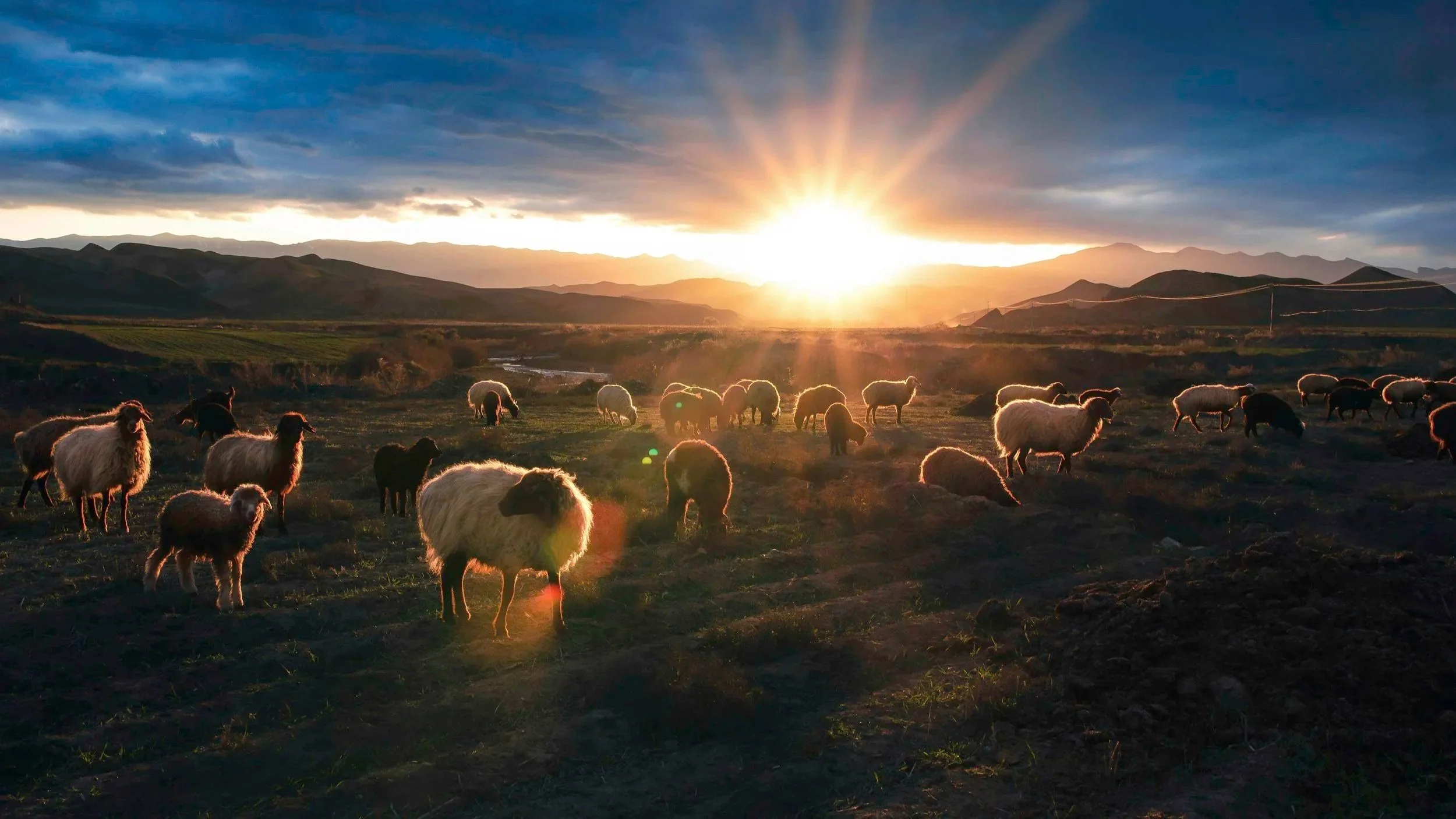
“But made his own people to go forth like sheep.” The contrast is striking, and ought never to have been forgotten by the people. The wolves were slain in heaps, the sheep were carefully gathered, and triumphantly delivered. The tables were turned, and the poor serfs became the honoured people, while their oppressors were humbled before them. Israel went out in a compact body like a flock; they were defenceless in themselves as sheep, but they were safe under their Great Shepherd; they left Egypt as easily as a flock leaves one pasture for another.

Luke 17:5-10
Faith is a grace which admits of degrees. It does not come to full strength and perfection as soon as it is planted in the heart by the Holy Ghost. There is “little” faith and “great” faith. There is “weak” faith and “strong” faith. Both are spoken of in the Scriptures. Both are to be seen in the experience of God’s people. The more faith a Christian has the more happy, holy, and useful will he be. To promote the growth and progress of faith should be the daily prayer and endeavor of all who love life. When the apostles said, “increase our faith,” they did well.