Deuteronomy 16:9-12
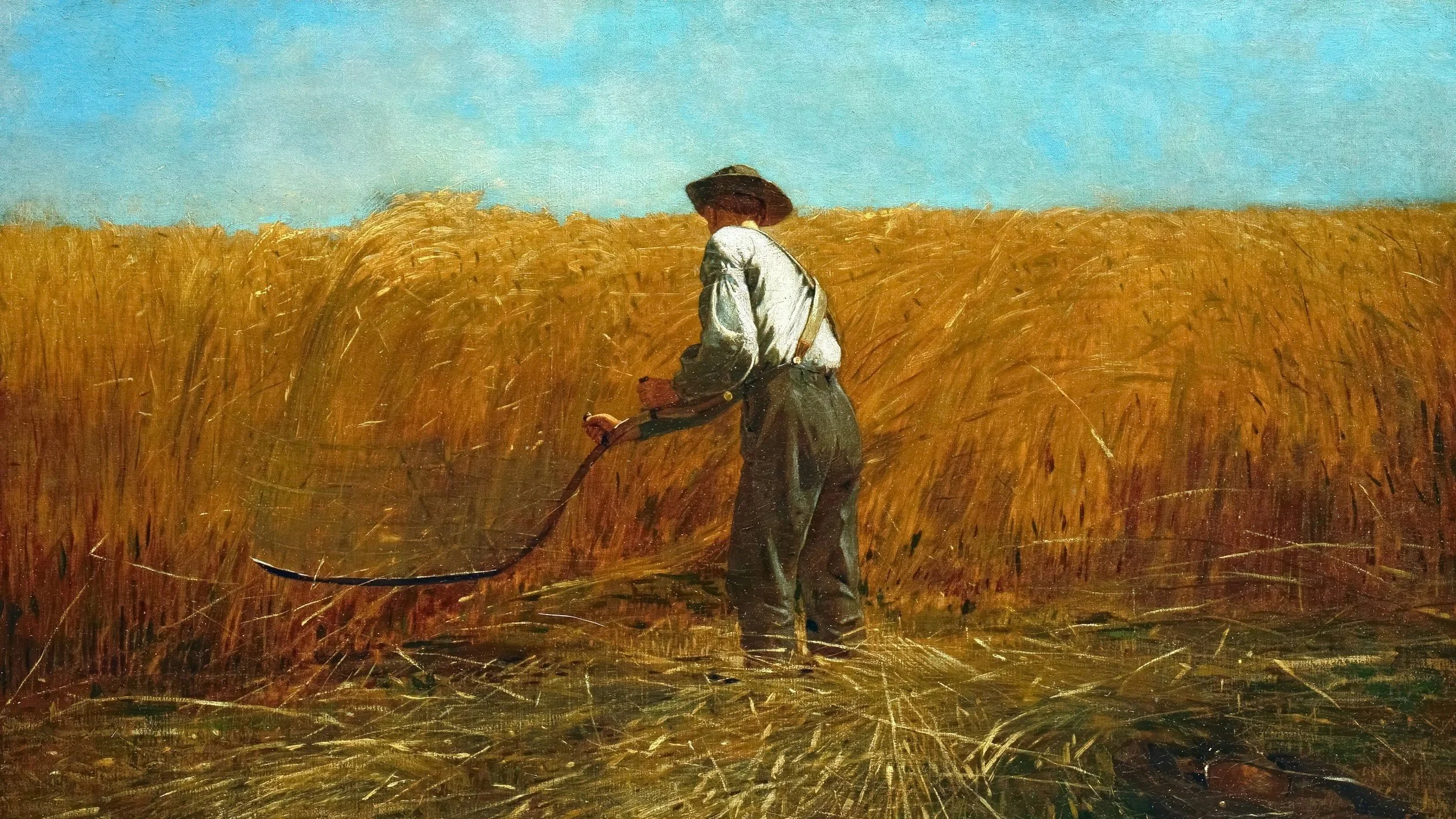
9 Seven weeks shalt thou number unto thee: begin to number the seven weeks from such time as thou beginnest to put the sickle to the corn.
10 And thou shalt keep the feast of weeks unto the Lord thy God with a tribute of a freewill offering of thine hand, which thou shalt give unto the Lord thy God, according as the Lord thy God hath blessed thee:
11 And thou shalt rejoice before the Lord thy God, thou, and thy son, and thy daughter, and thy manservant, and thy maidservant, and the Levite that is within thy gates, and the stranger, and the fatherless, and the widow, that are among you, in the place which the Lord thy God hath chosen to place his name there.
12 And thou shalt remember that thou wast a bondman in Egypt: and thou shalt observe and do these statutes.
Seven weeks after the passover the feast of pentecost was to be observed, concerning which they are here directed,
1. Whence to number their seven weeks, from the time thou beginnest to put the sickle to the corn (v. 9), that is, from the morrow after the first day of the feast of unleavened bread, for on that day (though it is probable the people did not begin their harvest till the feast was ended) the messengers were sent to reap a sheaf of barley, which was to be offered to God as the first-fruits, Lev. 23:10. Some think it implies a particular care which Providence would take of their land with respect to the weather, that their harvest should be always ripe and ready for the sickle just at the same time.
2. How they were to keep this feast.
1) They must bring an offering unto God, v. 10. It is here called a tribute of a free-will-offering. It was required of them as a tribute to their Sovereign Lord and owner, under whom they held all they had; and yet because the law did not determine the quantum, but it was left to every man’s generosity to bring what he chose, and whatever he brought he must give cheerfully, it is therefore called a free-will offering. It was a grateful acknowledgment of the goodness of God to them in the mercies of these corn-harvests now finished, and therefore must be according as God had blessed them. Where God sows plentifully he expects to reap accordingly.
2) They must rejoice before God, v. 11. Holy joy is the heart and soul of thankful praises, which are as the language and expression of holy joy. They must rejoice in their receivings from God, and in their returns of service and sacrifice to him; our duty must be our delight as well as our enjoyments. They must have their very servants to rejoice with them, “for remember (v. 12) that thou wast a bond-man, and wouldest have been very thankful if thy taskmasters would have given thee some time and cause for rejoicing; and thy God did bring thee out to keep a feast with gladness; therefore be pleasant with thy servants, and make them easy.” And, it should seem, those general words, thou shalt observe and do these statutes, are added here for a particular reason, because this feast was kept in remembrance of the giving of the law upon Mount Sinai, fifty days after they came out of Egypt; now the best was of expressing our thankfulness to God for his favour to us in giving us his law is to observe and do according to the precepts of it.
— Matthew Henry (1662-1714)
