Deuteronomy 14:3-21
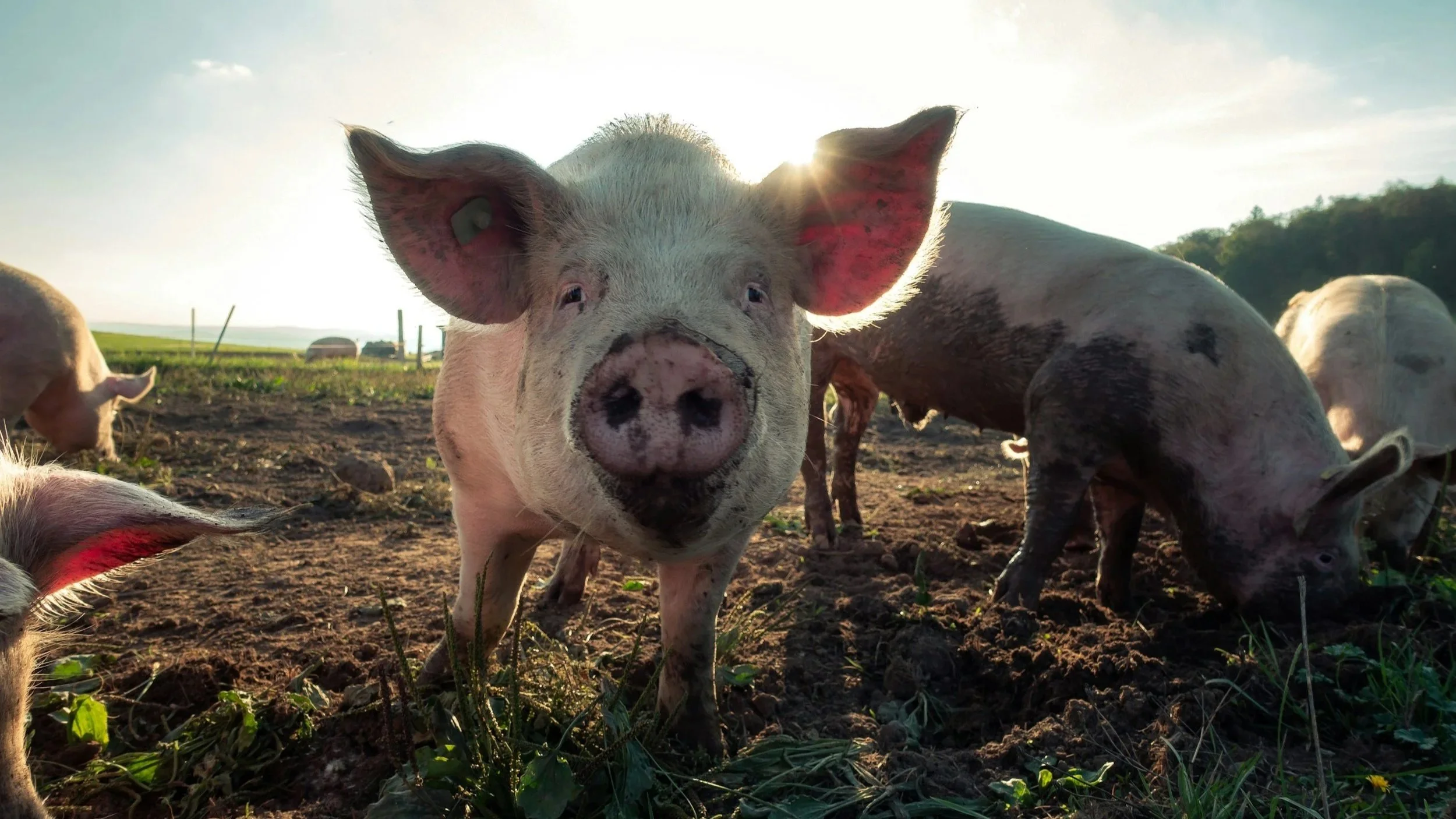
Now as to all these precepts concerning their food, it is plain in the law itself that they belonged only to the Jews, and were not moral, nor of perpetual use, because not of universal obligation; for what they might not eat themselves they might give to a stranger, a proselyte of the gate, that had renounced idolatry, and therefore was permitted to live among them, though not circumcised; or they might sell it to an alien, a mere Gentile, that came into their country for trade, but might not settle it, v. 21. They might feed upon that which an Israelite might not touch, which is a plain instance of their peculiarity, and their being a holy people.

Deuteronomy 11:8-17
Because God would certainly bless them with an abundance of all good things if they would love him and serve him (v. 13-15): I will give you the rain of your land in due season, so that they should neither want it when the ground called for it nor have it in excess; but they should have the former rain, which fell at seed-time, and the latter rain, which fell before the harvest, Amos 4:7. This represented all the seasonable blessings which God would bestow upon them, especially spiritual comforts, which should come as the latter and former, rain, Hos. 6:3.

Deuteronomy 15:19-23
The frequent repetition of this caution intimates what need the people had of it, and what stress God laid upon it. What a mercy it is that we are not under this yoke! We are not dieted as they were; we make no difference between a first calf, or lamb, and the rest that follow. Let us therefore realize the gospel meaning of this law, devoting ourselves and the first of our time and strength to God, as a kind of first-fruits of his creatures, and using all our comforts and enjoyments to his praise and under the direction of his law, as we have them all by his gift.

Deuteronomy 20:19-20
God is a better friend to man than man is to himself; and God’s law, which we are apt to complain of as a heavy yoke, consults our interest and comfort, while our own appetites and passions, of which we are so indulgent, are really enemies to our welfare. The intent of many of the divine precepts is to restrain us from destroying that which is our life and food.
Deuteronomy 14:22-29
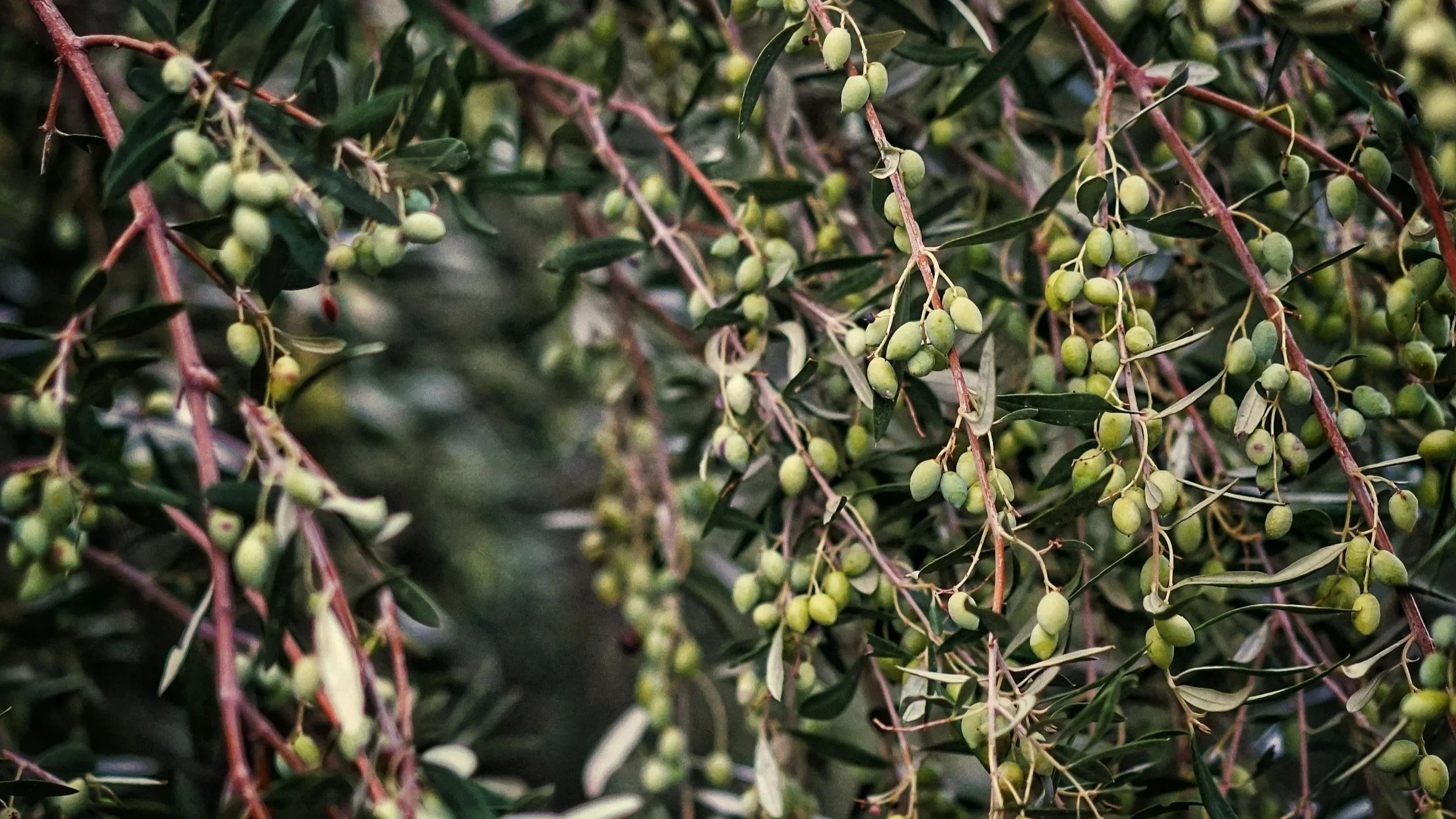
We have here a part of the statute concerning tithes. The production of the ground where twice tithed, so that, putting both together, a fifth part was devoted to God out of their increase, and only four parts of five were for their own common use; and they could not but own they paid an easy rent, especially since God’s part was disposed of to their own benefit and advantage.
Deuteronomy 7:12-15
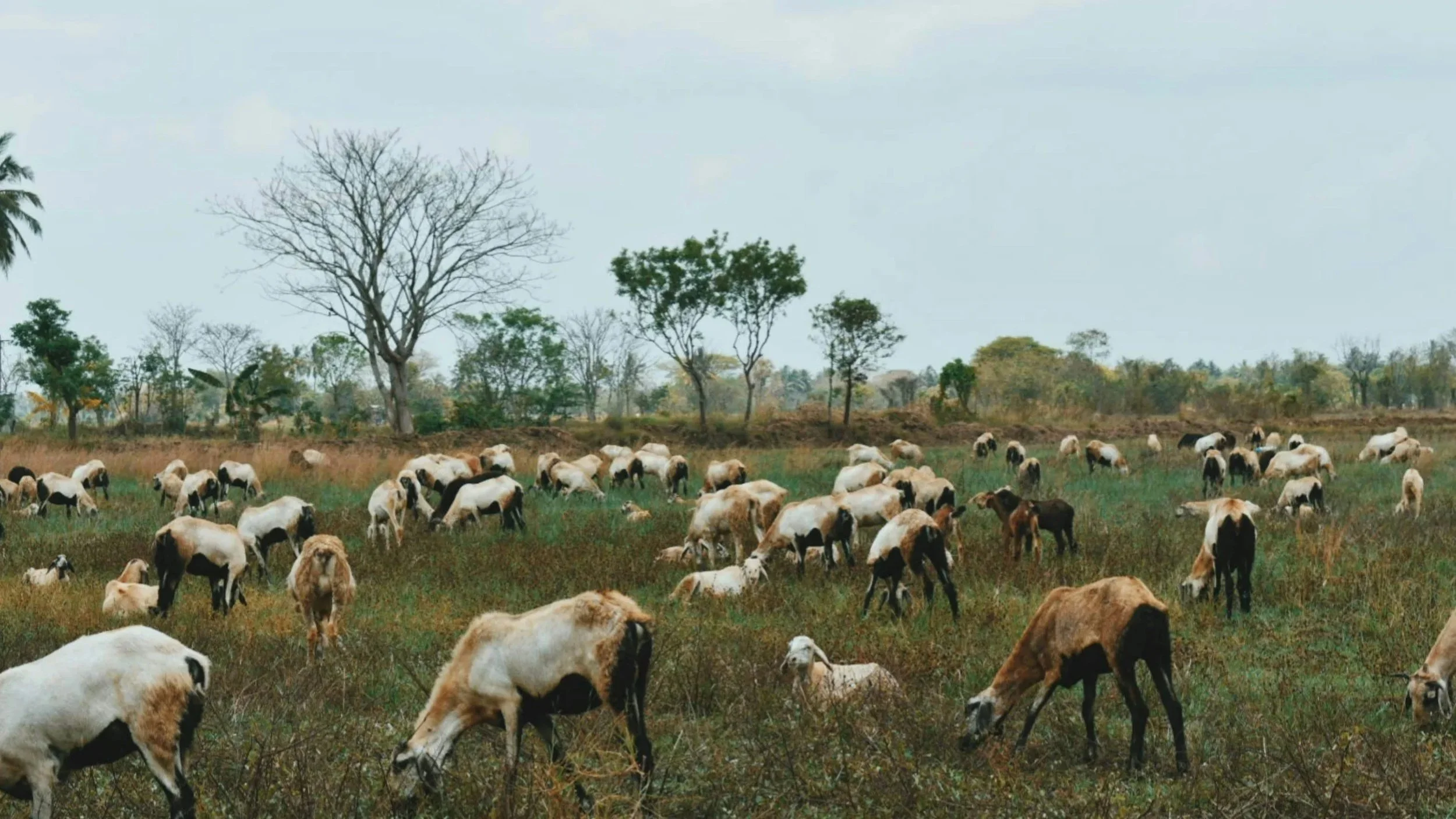
“He will multiply thee.” Increase was the ancient blessing for the peopling of the world, once and again (Gen. 1:28; 9:1), and here for the peopling of Canaan, that little world by itself. The increase both of their families and of their stock is promised: they should neither have estates without heirs nor heirs without estates, but should have the complete satisfaction of having many children and plentiful provisions and portions for them.

Deuteronomy 8:10-20
Moses, having mentioned the great plenty they would find in the land of Canaan, finds it necessary to caution them against the abuse of that plenty, which was a sin they would be the more prone to now that they came into the vineyard of the Lord, immediately out of a barren desert. He directs them to the duty of a prosperous condition, v.10. They are allowed to eat even to fullness, not to surfeiting no excess; but let them always remember their benefactor, the founder of their feast, and never fail to give thanks after meat: Then thou shalt bless the Lord thy God.
Deuteronomy 6:10-12
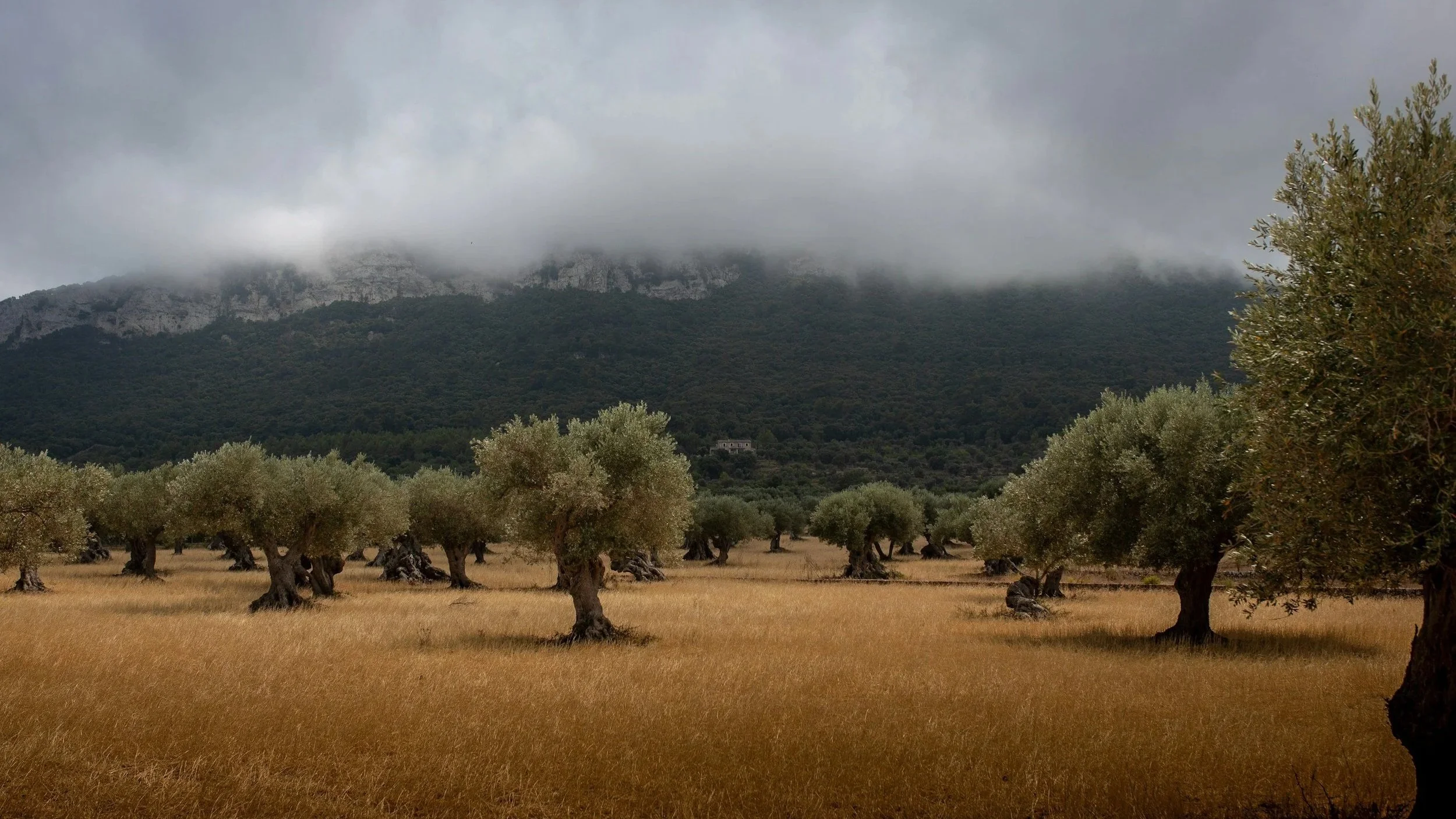
Then beware; being warned of your danger, stand upon your guard against it. Bind the words of God for a sign upon thy hand, for this end to prevent thy forgetting God. When thou art settled in Canaan forget not thy deliverance out of Egypt; but look to the rock out of which thou wast hewn. When thy latter end has greatly increased, remember the smallness of thy beginnings.”
Deuteronomy 16:9-12
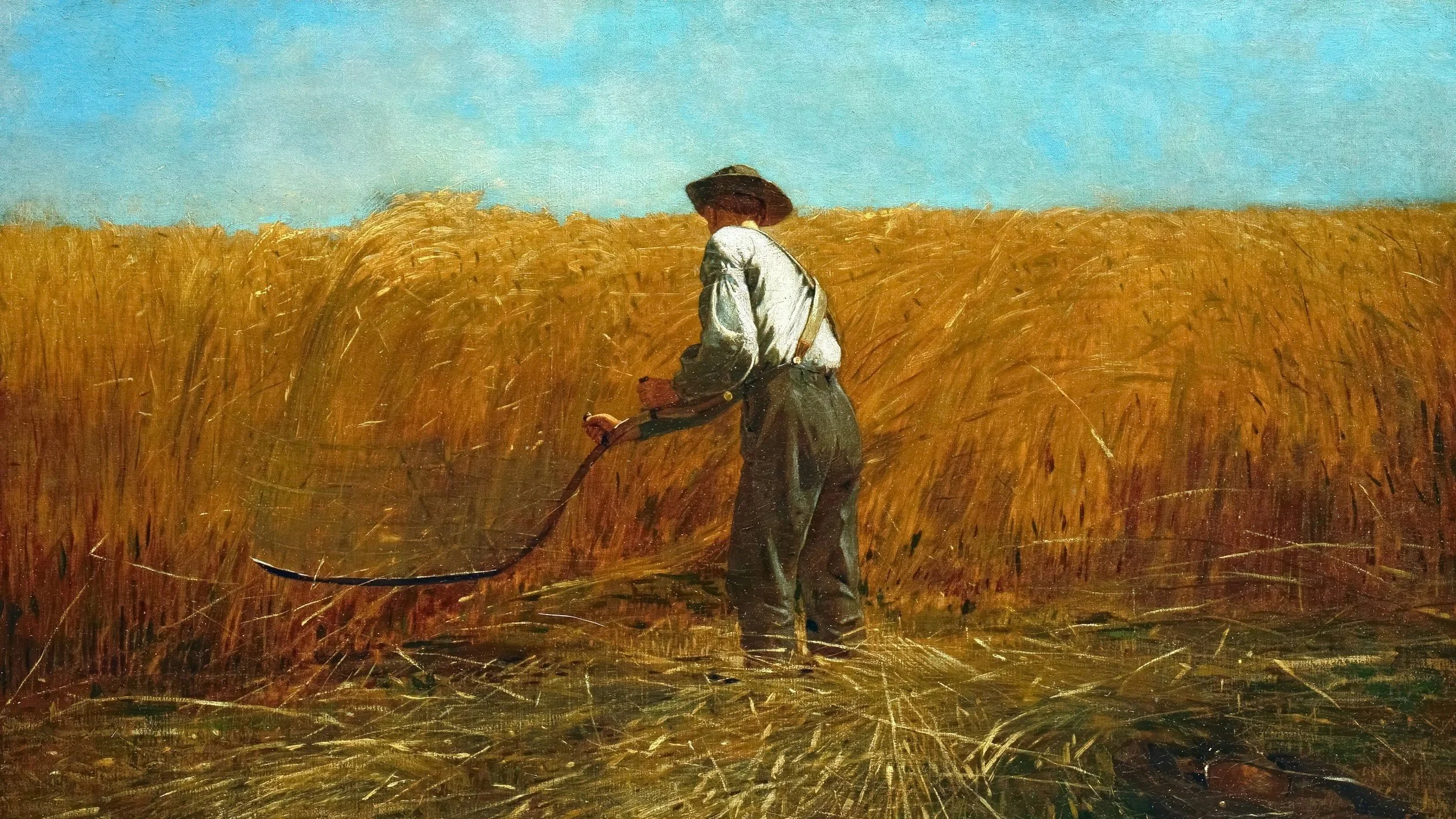
Whence to number their seven weeks, from the time thou beginnest to put the sickle to the corn (v. 9), that is, from the morrow after the first day of the feast of unleavened bread, for on that day (though it is probable the people did not begin their harvest till the feast was ended) the messengers were sent to reap a sheaf of barley, which was to be offered to God as the first-fruits, Lev. 23:10. Some think it implies a particular care which Providence would take of their land with respect to the weather, that their harvest should be always ripe and ready for the sickle just at the same time.

Deuteronomy 9:1-6
He will be honoured in the performance of his promise to those that are in covenant with him: God swore to the patriarchs, who loved him and left all to follow him, that he would give this land to their seed; and therefore he would keep that promised mercy for thousands of those that loved him and kept his commandments; he would not suffer his promise to fail. It was for their fathers’ sakes that they were beloved, Rom. 11:28. Thus boasting is for ever excluded. See Eph. 1:9, 11.

Deuteronomy 6:1-3
Religion and righteousness advance and secure the prosperity of any people. Fear God, and it shall be well with thee. Those that are well taught, if they do what they are taught, shall be well fed too, as Israel in the land flowing with milk and honey, v. 3.

Deuteronomy 8:1-9
The occurrences of these last forty years were very memorable and well worthy to be remembered, very useful and profitable to be remembered, as yielding a complication of arguments for obedience; and they were recorded on purpose that they might be remembered. As the feast of the passover was a memorial of their deliverance out of Egypt, so was the feast of tabernacles of their passage through the wilderness. Note, It is very good for us to remember all the ways both of God’s providence and grace, by which he has led us hitherto through this wilderness, that we may be prevailed with cheerfully to serve him and trust in him. Here let us set up our Ebenezer.