Deuteronomy 29:22-29
22 So that the generation to come of your children that shall rise up after you, and the stranger that shall come from a far land, shall say, when they see the plagues of that land, and the sicknesses which the Lord hath laid upon it;
23 And that the whole land thereof is brimstone, and salt, and burning, that it is not sown, nor beareth, nor any grass groweth therein, like the overthrow of Sodom, and Gomorrah, Admah, and Zeboim, which the Lord overthrew in his anger, and in his wrath:
24 Even all nations shall say, Wherefore hath the Lord done thus unto this land? what meaneth the heat of this great anger?
25 Then men shall say, Because they have forsaken the covenant of the Lord God of their fathers, which he made with them when he brought them forth out of the land of Egypt:
26 For they went and served other gods, and worshipped them, gods whom they knew not, and whom he had not given unto them:
27 And the anger of the Lord was kindled against this land, to bring upon it all the curses that are written in this book:
28 And the Lord rooted them out of their land in anger, and in wrath, and in great indignation, and cast them into another land, as it is this day.
29 The secret things belong unto the Lord our God: but those things which are revealed belong unto us and to our children for ever, that we may do all the words of this law.
It appears by the length of the sentences here, and by the copiousness and pungency of the expressions, that Moses, now that he was drawing near to the close of his discourse, was very warm and zealous, and very desirous to impress what he said upon the minds of this unthinking people. To bind them the faster to God and duty, he here, with great solemnity of expression (to make up the want of the external ceremony that was used Ex. 24:4 etc.), concludes a bargain (as it were) between them and God, an everlasting covenant, which God would not forget and they must not. He requires not their explicit consent, but lays the matter plainly before them, and then leaves it between God and their own consciences.
Observe the principal design of the renewing of this covenant at this time was to fortify them against temptations to idolatry. Though other sins will be the sinner’s ruin, yet this was the sin that was likely to be their ruin.
Now concerning this he shows, idolatry would be the ruin of their nation; it would bring plagues upon the land that connived at this root of bitterness and received the infection; as far as the sin spread, the judgment should spread likewise.
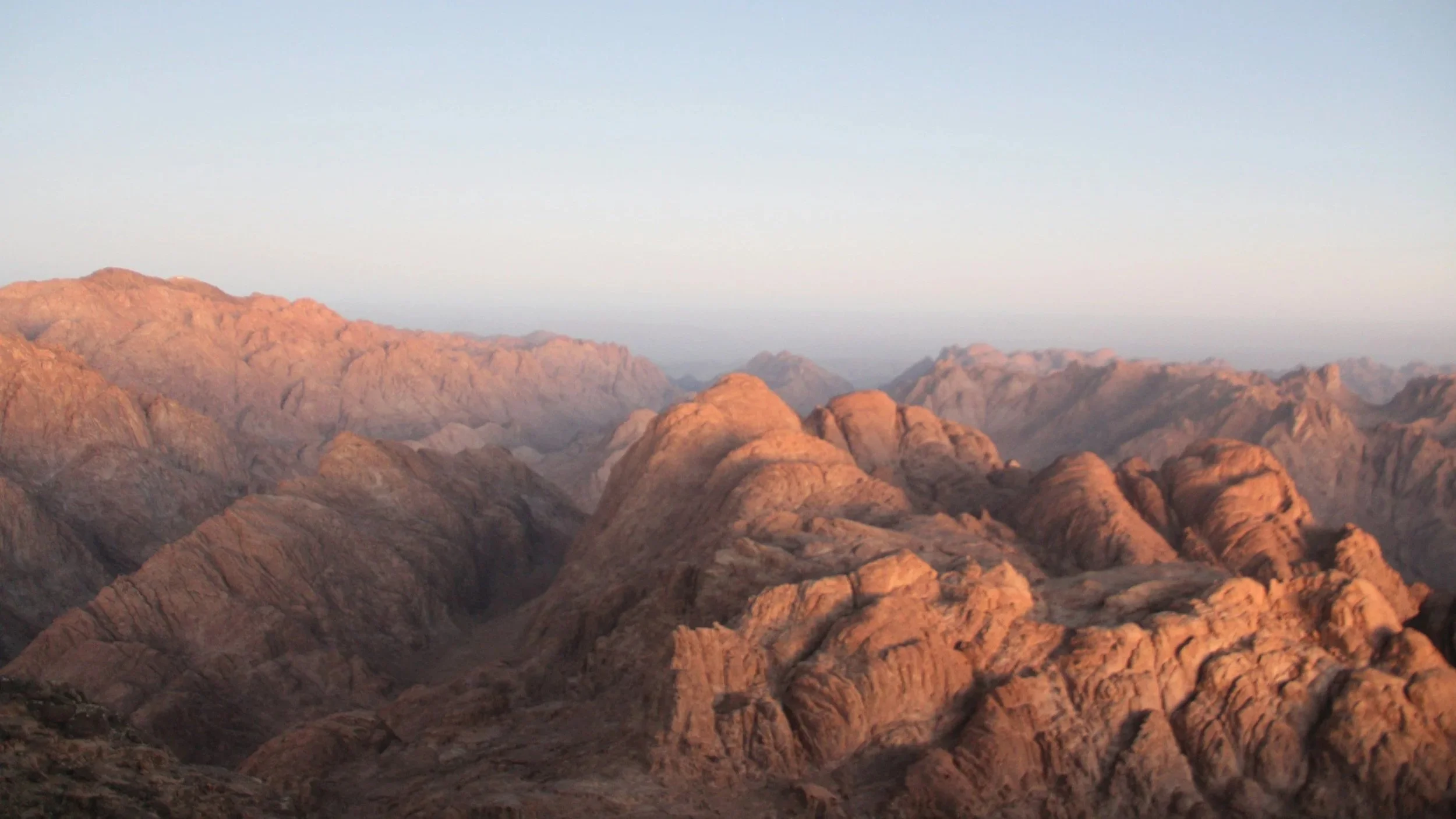
The ruin is described. It begins with plagues and sicknesses (v. 22), to try if they will be reclaimed by less judgments; but, if not, it ends in a total overthrow, like that of Sodom, v. 23. As that valley, which had been like the garden of the Lord for fruitfulness, was turned into a lake of salt and sulphur, so should the land of Canaan be made desolate and barren, as it has been ever since the last destruction of it by the Romans. The lake of Sodom bordered closely upon the land of Israel, that by it they might be warned against the iniquity of Sodom; but, not taking the warning, they were made as like to Sodom in ruin as they had been in sin.
The reason of it is enquired into, and assigned.
First, It would be enquired into by the generations to come (v. 22), who would find the state of their nation in all respects the reverse of what it had been, and, when they read both the history and the promise, would be astonished at the change. The stranger likewise, and the nations about them, as well as particular persons, would ask, Wherefore hath the Lord done thus unto this land? v. 24. Great desolations are thus represented elsewhere as striking the spectators with amazement, 1 Ki. 9:8, 9; Jer. 22:8, 9. It was time for the neighbours to tremble when judgment thus began at the house of God, 1 Pet. 4:17. The emphasis of the question is to be laid upon this land, the land of Canaan, this good land, the glory of all lands, this land flowing with milk and honey. A thousand pities that such a good land as this should be made desolate, but this is not all; it is this holy land, the land of Israel, a people in covenant with God; it is Immanuel’s land, a land where God was known and worshipped, and yet thus wasted. Note, 1. It is no new thing for God to bring desolating judgments upon a people that in profession are near to him, Amos 3:2. 2. He never does this without a good reason. 3. It concerns us to enquire into the reason, that we may give glory to God and take warning to ourselves.
Secondly, The reason is here assigned, in answer to that enquiry. The matter would be so plain that all men would say, It was because they forsook the covenant of the Lord God of their fathers, v. 25. Note, God never forsakes any till they first forsake him. But those that desert the God of their fathers are justly cast out of the inheritance of their fathers. They went and served other gods (v. 26), gods that they had no acquaintance with, nor lay under any obligation to either in duty or gratitude; for God has not given the creatures to be served by us, but to serve us; nor have they done any good to us (as some read it), more than what God has enabled them to do; to the Creator therefore we are debtors, and not to the creatures. It was for this that God was angry with them (v. 27), and rooted them out in anger, v. 28. So that, how dreadful soever the desolation was, the Lord was righteous in it, which is acknowledged, Dan. 9:11-14. “Thus” (says Mr. Ainsworth) “the law of Moses leaves sinners under the curse, and rooted out of the Lord’s land; but the grace of Christ towards penitent believing sinners plants them again upon their land, and they shall no more be pulled up, being kept by the power of God,” Amos 9:15.
He concludes his prophecy of the Jews’ rejection just as St. Paul concludes his discourse on the same subject, when it began to be fulfilled (Rom. 11:33), How unsearchable are God’s judgments, and his ways past finding out! So here (v. 29), Secret things belong to the Lord our God. Some make it to be one sentence, The secret things of the Lord our God are revealed to us and to our children, as far as we are concerned to know them, and he hath not dealt so with other nations: but we make it two sentences, by which,
First, We are forbidden curiously to enquire into the secret counsels of God and to determine concerning them. A full answer is given to that question, Wherefore has the Lord done thus to this land? sufficient to justify God and admonish us. But if any ask further why God would be at such a vast expense of miracles to form such a people, whose apostasy and ruin he plainly foresaw, why he did not by his almighty grace prevent it, or what he intends yet to do with them, let such know that these are questions which cannot be answered, and therefore are not fit to be asked. It is presumption in us to pry into the Arcana imperii — the mysteries of government, and to enquire into the reasons of state which it is not for us to know. See Acts 1:7; John 21:22; Col. 2:18.
Secondly, We are directed and encouraged diligently to enquire into that which God has made known: things revealed belong to us and to our children. Note, 1. Though God has kept much of his counsel secret, yet there is enough revealed to satisfy and save us. He has kept back nothing that is profitable for us, but that only which it is good for us to be ignorant of. 2. We ought to acquaint ourselves, and our children too, with the things of God that are revealed. We are not only allowed to search into them, but are concerned to do so. They are things which we and ours are nearly interested in. They are the rules we are to live by, the grants we are to live upon; and therefore we are to learn them diligently ourselves, and to teach them diligently to our children. 3. All our knowledge must be in order to practice, for this is the end of all divine revelation, not to furnish us with curious subjects of speculation and discourse, with which to entertain ourselves and our friends, but that we may do all the words of this law, and be blessed in our deed.
Matthew Henry (1662-1714)
