Deuteronomy 24:19-22
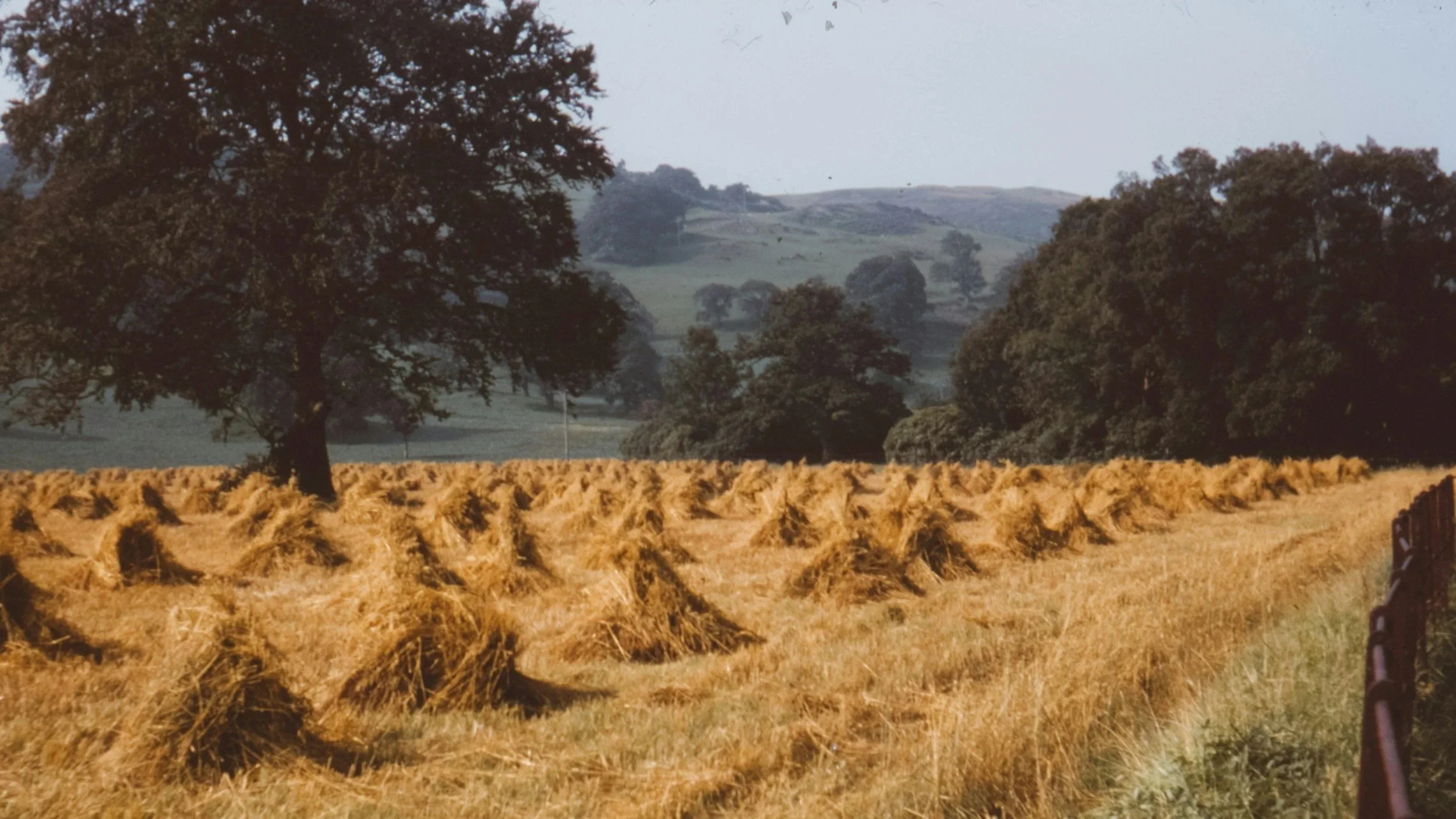
19 When thou cuttest down thine harvest in thy field, and hast forgot a sheaf in the field, thou shalt not go again to fetch it: it shall be for the stranger, for the fatherless, and for the widow: that the Lord thy God may bless thee in all the work of thine hands.
20 When thou beatest thine olive tree, thou shalt not go over the boughs again: it shall be for the stranger, for the fatherless, and for the widow.
21 When thou gatherest the grapes of thy vineyard, thou shalt not glean it afterward: it shall be for the stranger, for the fatherless, and for the widow.
22 And thou shalt remember that thou wast a bondman in the land of Egypt: therefore I command thee to do this thing.
The rich are commanded to be kind and charitable to the poor. Many ways they are ordered to be so by the law of Moses. The particular instance of charity here prescribed is that they should not be greedy in gathering in their corn, and grapes, and olives, so as to be afraid of leaving any behind them, but be willing to overlook some, and let the poor have the gleanings, v. 19-22.
“Say not, ‘It is all my own, and why should not I have it?’ But learn a generous contempt of property in small matters. One sheaf or two forgotten will make thee never the poorer at the year’s end, and it will do somebody good, if thou have it not.”
“Say not, ‘What I give I will give, and know whom I give it to, why should I leave it to be gathered by I know not whom, that will never thank me.’ But trust God’s providence with the disposal of thy charity, perhaps that will direct it to the most necessitous.” Or, “Thou mayest reasonably think it will come to the hands of the most industrious, that are forward to seek and gather that which this law provides for them.”
“Say not, ‘What should the poor do with grapes and olives? It is enough for them to have bread and water;’ for, since they have some little share of the delights of sense?” Boaz ordered handfuls of corn to be left on purpose for Ruth, and God blessed him. All that is left is not lost.
Matthew Henry (1662-1714)
