Deuteronomy 7:12-15
12 Wherefore it shall come to pass, if ye hearken to these judgments, and keep, and do them, that the Lord thy God shall keep unto thee the covenant and the mercy which he sware unto thy fathers:
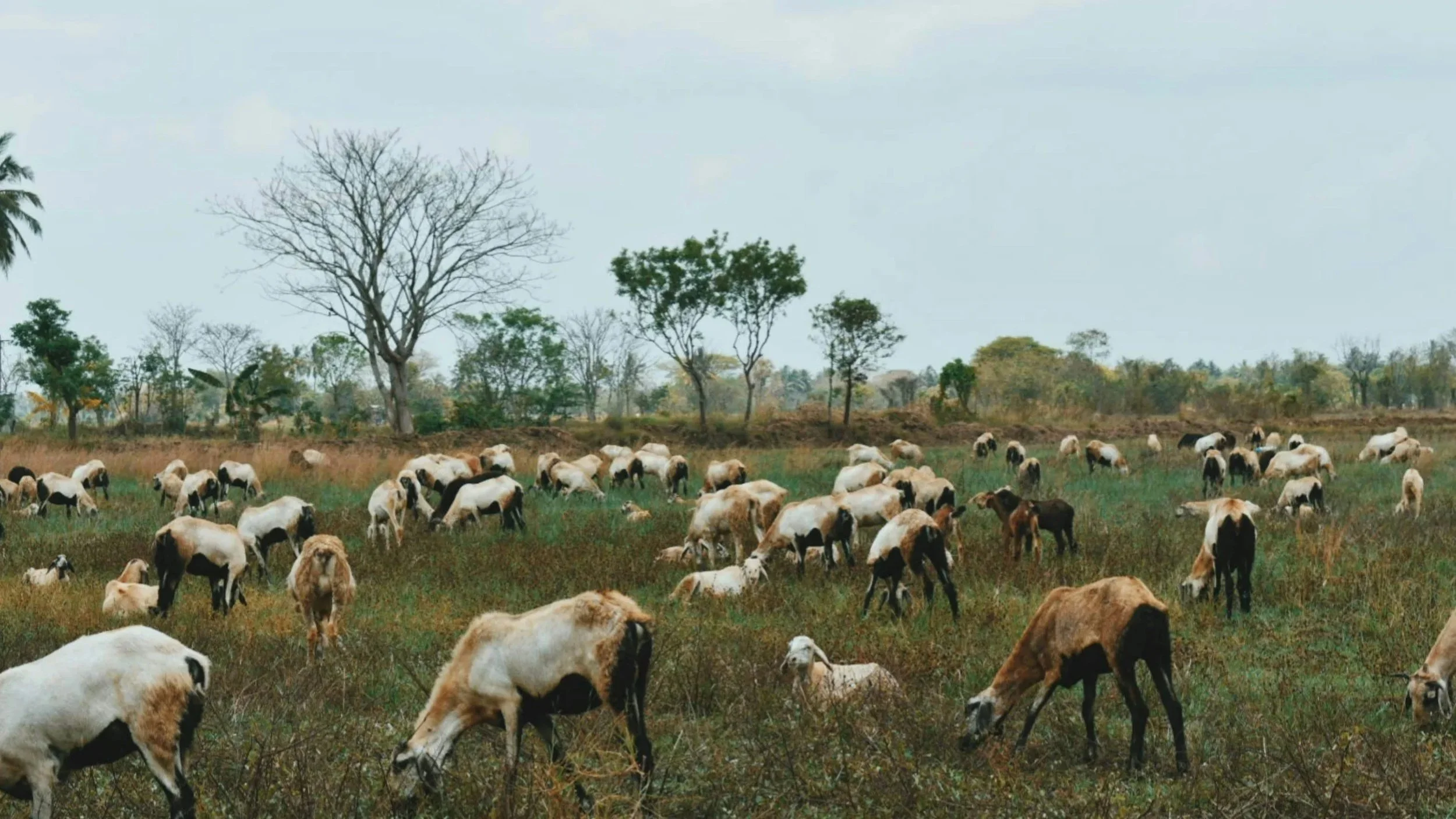
13 And he will love thee, and bless thee, and multiply thee: he will also bless the fruit of thy womb, and the fruit of thy land, thy corn, and thy wine, and thine oil, the increase of thy kine, and the flocks of thy sheep, in the land which he sware unto thy fathers to give thee.
14 Thou shalt be blessed above all people: there shall not be male or female barren among you, or among your cattle.
15 And the Lord will take away from thee all sickness, and will put none of the evil diseases of Egypt, which thou knowest, upon thee; but will lay them upon all them that hate thee.
The promise of God’s favour to them, if they would be obedient, is enlarged upon with a most affecting copiousness and fluency of expression, which intimates how much it is both God’s desire and our own interest that we be religious. All possible assurance is here given them,
That, if they would sincerely endeavour to do their part of the covenant, God would certainly perform his part. He shall keep the mercy which he swore to thy fathers, v. 12. Let us be constant in our duty, and we cannot question the constancy of God’s mercy.
That if they would love God and serve him, and devote themselves and theirs to him, he would love them, and bless them, and multiply them greatly, v. 13, 14. What could they desire more to make them happy?
“He will love thee.” He began in love to us (1 Jn. 4:10), and, if we return his love in filial duty, then, and then only, we may expect the continuance of it, Jn. 14:21.
“He will bless thee with the tokens of his love above all people.” If they would distinguish themselves from their neighbours by singular services, God would dignify them above their neighbours by singular blessings.
“He will multiply thee.” Increase was the ancient blessing for the peopling of the world, once and again (Gen. 1:28; 9:1), and here for the peopling of Canaan, that little world by itself. The increase both of their families and of their stock is promised: they should neither have estates without heirs nor heirs without estates, but should have the complete satisfaction of having many children and plentiful provisions and portions for them.
That, if they would keep themselves clear from the idolatries of Egypt, God would keep them clear from the diseases of Egypt, v. 15. It seems to refer not only to those plagues of Egypt by the force of which they were delivered, but to some other epidemical country disease (as we call it), which they remembered the prevalency of among the Egyptions, and by which God had chastised them for their national sins. Diseases are God’s servants; they go where he sends them, and do what he bids them. It is therefore good for the health of our bodies to mortify the sin of our souls.
— Matthew Henry (1662-1714)
