Deuteronomy 32:22-25
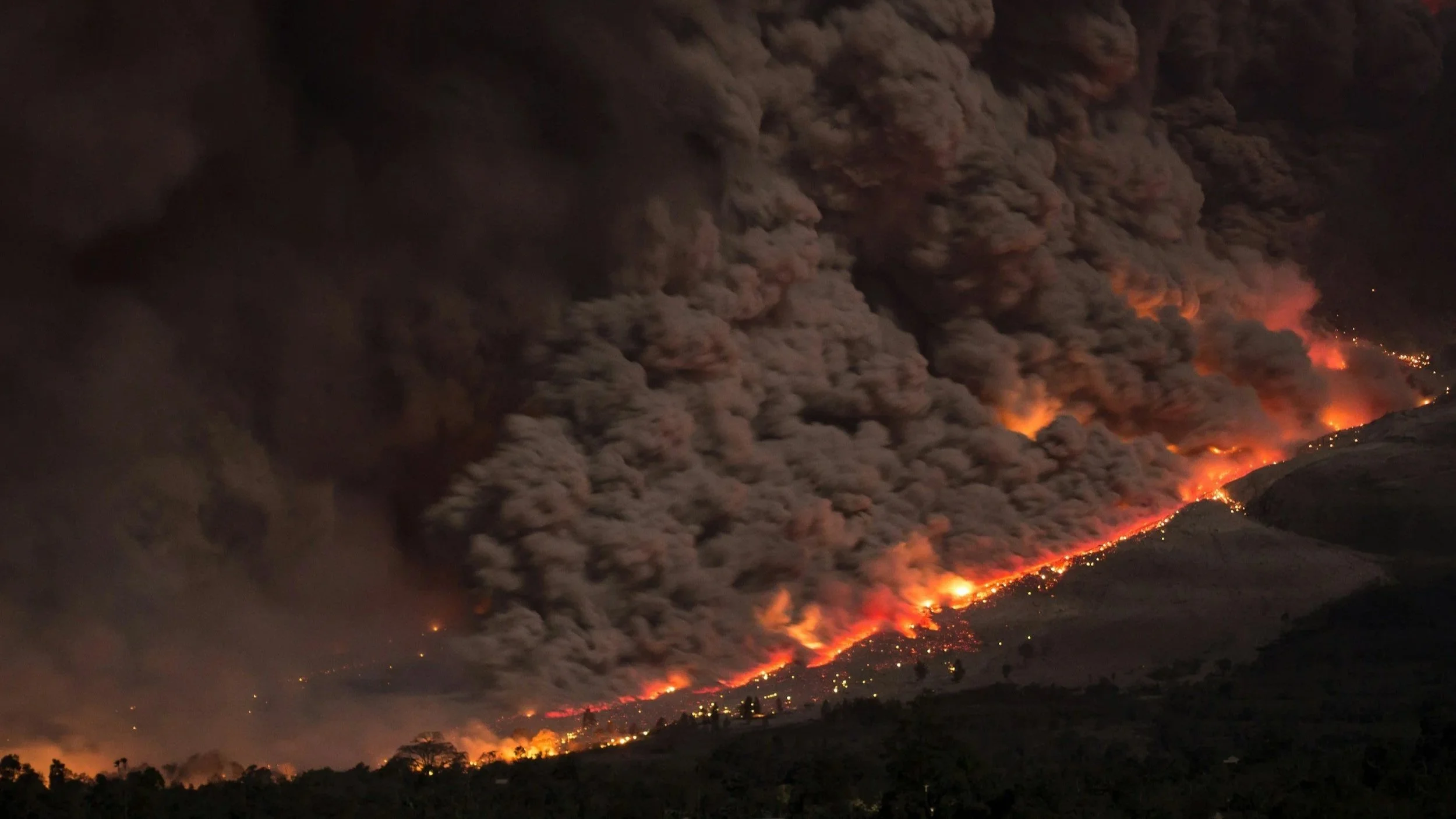
22 For a fire is kindled in mine anger, and shall burn unto the lowest hell, and shall consume the earth with her increase, and set on fire the foundations of the mountains.
23 I will heap mischiefs upon them; I will spend mine arrows upon them.
24 They shall be burnt with hunger, and devoured with burning heat, and with bitter destruction: I will also send the teeth of beasts upon them, with the poison of serpents of the dust.
25 The sword without, and terror within, shall destroy both the young man and the virgin, the suckling also with the man of gray hairs.
The method of this song follows the method of the predictions in the foregoing chapter, and therefore, after the revolt of Israel from God, described in the foregoing verses, here follow immediately the resolve of divine Justice concerning them; we deceive ourselves if we think that God will be thus mocked by a foolish faithless people, that play fast and loose with him.
He had planted them in a good land, and replenished them with all good things; but now he would strip them of all their comforts, and bring them to ruin. The judgments threatened are very terrible, v. 22-25.
The fire of God’s anger shall consume them, v. 22. Are they proud of their plenty? It shall burn up the increase of the earth. Are they confident of their strength? It shall destroy the very foundations of their mountains: there is no fence against the judgments of God when they come with commission to lay all waste. It shall burn to the lowest hell, that is, it shall bring them to the very depth of misery in this world, which yet would be but a faint resemblance of the complete and endless misery of sinners in the other world. The damnation of hell (as our Saviour calls it) is the fire of God’s anger, fastening upon the guilty conscience of a sinner, to its inexpressible and everlasting torment, Isa. 30:33.
The arrows of God’s judgments shall be spent upon them, till his quiver is quite exhausted, v. 23. The judgments of God, like arrows, fly swiftly (Ps. 64:7), reaching those at a distance who flatter themselves with hopes of escaping them, Ps. 21:8, 12. They come from an unseen hand, but wound mortally, for God never misses his mark, 1 Ki. 22:34. The particular judgements here threatened are,
Famine: they shall be burnt, or parched, with hunger.
Pestilence and other diseases, here called burning heat and bitter destruction.
The insults of the inferior creatures: the teeth of beasts and the poison of serpents, v. 24.
War and the fatal consequences of it, v. 25.
Perpetual frights. When the sword is without, there cannot but be terror within. 2 Cor. 7:5, without were fightings, within were fears. Those who cast off the fear of God are justly exposed to the fear of enemies.
Universal deaths. The sword of the Lord, when it is sent to lay all waste, will destroy without distinction; neither the strength of the young man nor the beauty of the virgin, neither the innocency of the suckling nor the gravity or infirmity of the man of gray hairs, will be their security from the sword when it devours one as well as another. Such devastation does war make, especially when it is pushed on by men as ravenous as wild beasts and as venomous as serpents, v. 24. See here what mischief sin does, and reckon those fools that make a mock at it.
Matthew Henry (1662-1714)
