Genesis 49:11-12
8 Judah, thou art he whom thy brethren shall praise: thy hand shall be in the neck of thine enemies; thy father's children shall bow down before thee.
9 Judah is a lion's whelp: from the prey, my son, thou art gone up: he stooped down, he couched as a lion, and as an old lion; who shall rouse him up?
10 The sceptre shall not depart from Judah, nor a lawgiver from between his feet, until Shiloh come; and unto him shall the gathering of the people be.
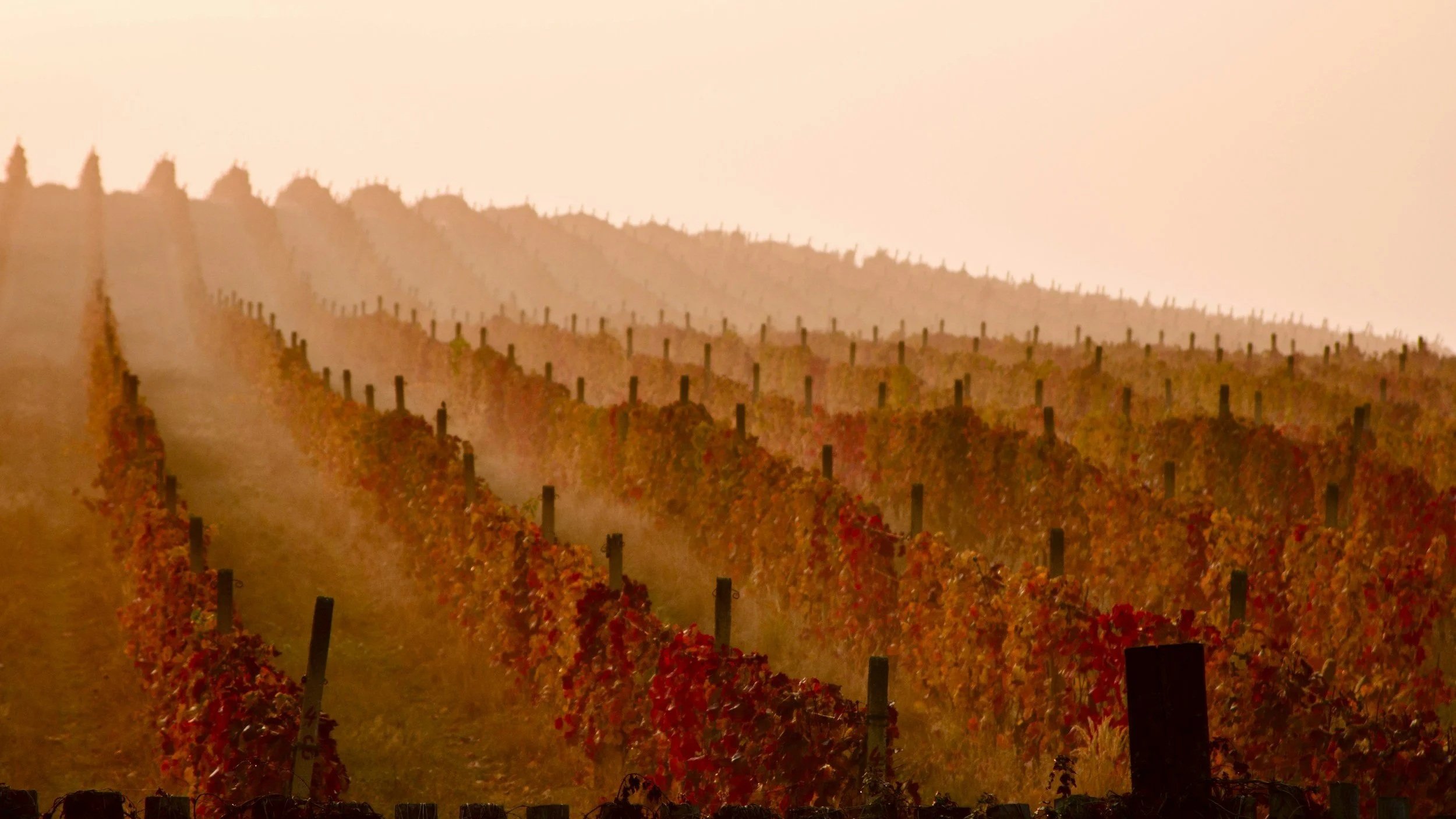
11 Binding his foal unto the vine, and his ass's colt unto the choice vine; he washed his garments in wine, and his clothes in the blood of grapes:
12 His eyes shall be red with wine, and his teeth white with milk.
Binding his fole unto the vine, and his ass’s colt, &c. He now speaks of the situation of the territory which fell by lot to the sons of Judah; and intimates, that so great would everywhere present themselves as readily as brambles, or unfruitful shrubs, in other places. For since asses are wont to be bound to the hedges, he here reduces vines to this contemptible use. The hyperbolical forms of speech which follow are to be applied to the same purpose; namely, that Judah shall wash his garments in wine, and his eyes be red therewith. He means that the abundance of wine shall be so great, that it may be poured out to wash with, like water, at no great expense; but that, by constant copious drinking, the eyes would contract redness. But it seems by no means proper, that a profuse intemperance or extravagance should be accounted a blessing. I answer, although fertility and affluence are here described, still the abuse of them is not sanctioned. If the Lord deals very bountifully with us, yet he frequently prescribes the rule of using his gifts with purity and frugality, lest they should stimulate the incontinence of the flesh. But in this place Jacob, omitting to state what is lawful, extols that abundance which would suffice for luxury, and even for vicious and perverse excesses unless the sons of Judah should voluntarily use self-government. I abstain from those allegories which to some appear plausible; because, as I said at the beginning of the chapter, I do not choose to sport with such great mysteries of God. To these lofty speculators the partition of the land which God prescribed, for the purpose of accrediting his servant Moses, seems a mean and abject thing. But unless our ingratitude has attained a senseless stupor, we ought to be wholly transported with admiration at the thought, that Moses, who had never seen the land of Canaan, should treat of its separate parts as correctly as he could have done, of a few acres cultivated by his own hand. Now, supposing he had heard a general report of the existence of vines in the land; yet he could not have assigned to Judah abundant vineyards, nor could he have assigned to him rich pastures, by saying that his teeth should be white with drinking milk, unless he had been guided by the Spirit.
— John Calvin (1509-1564)
