Luke 12:22-31
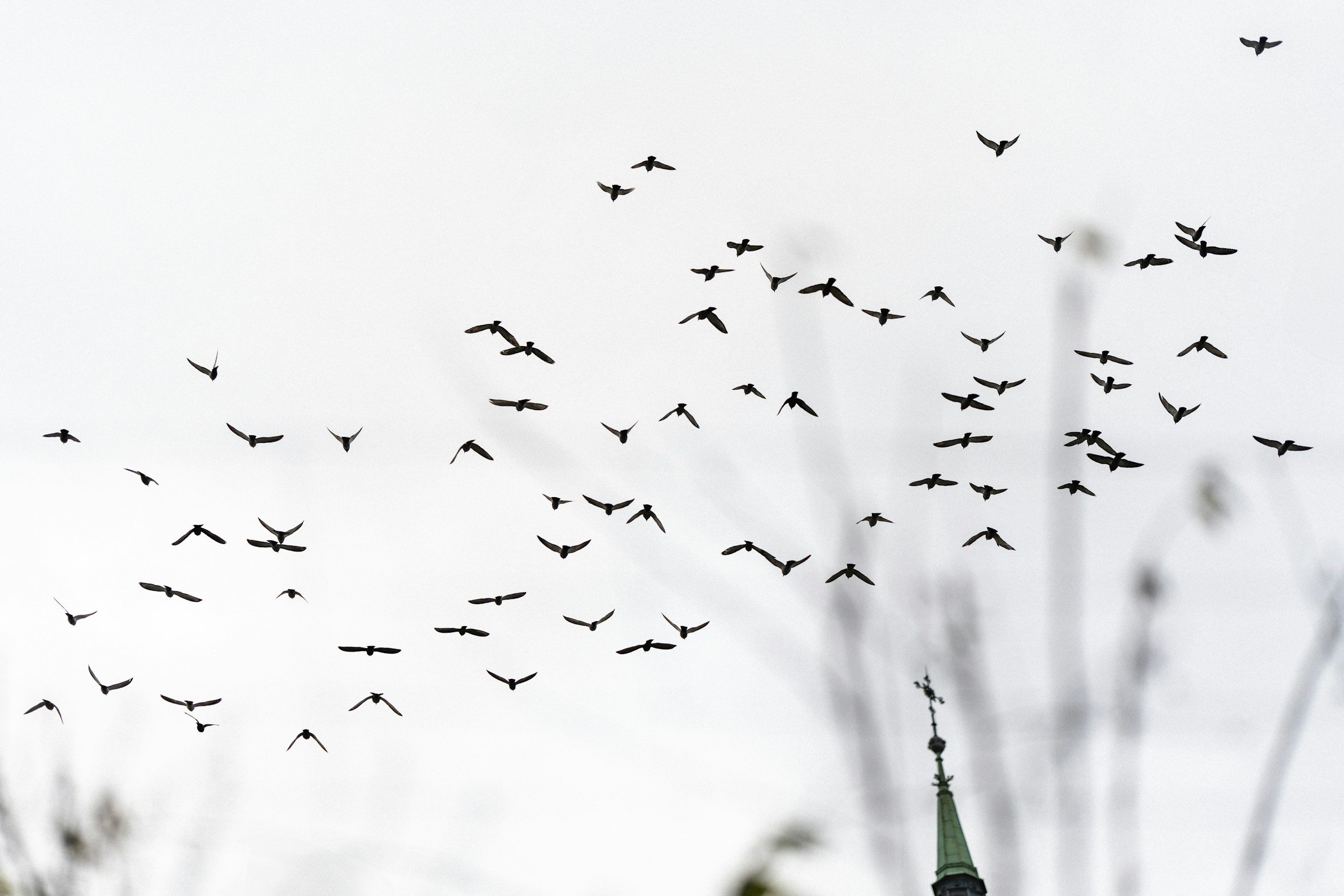
Christ bids us consider the ravens. “They neither sow nor reap. They have neither storehouse nor barn. But God feedeth them.” Now if the Maker of all things provides for the wants of birds, and orders things so that they have a daily supply of food, we ought surely not to fear that He will let His spiritual children starve.
Luke 13:10-17
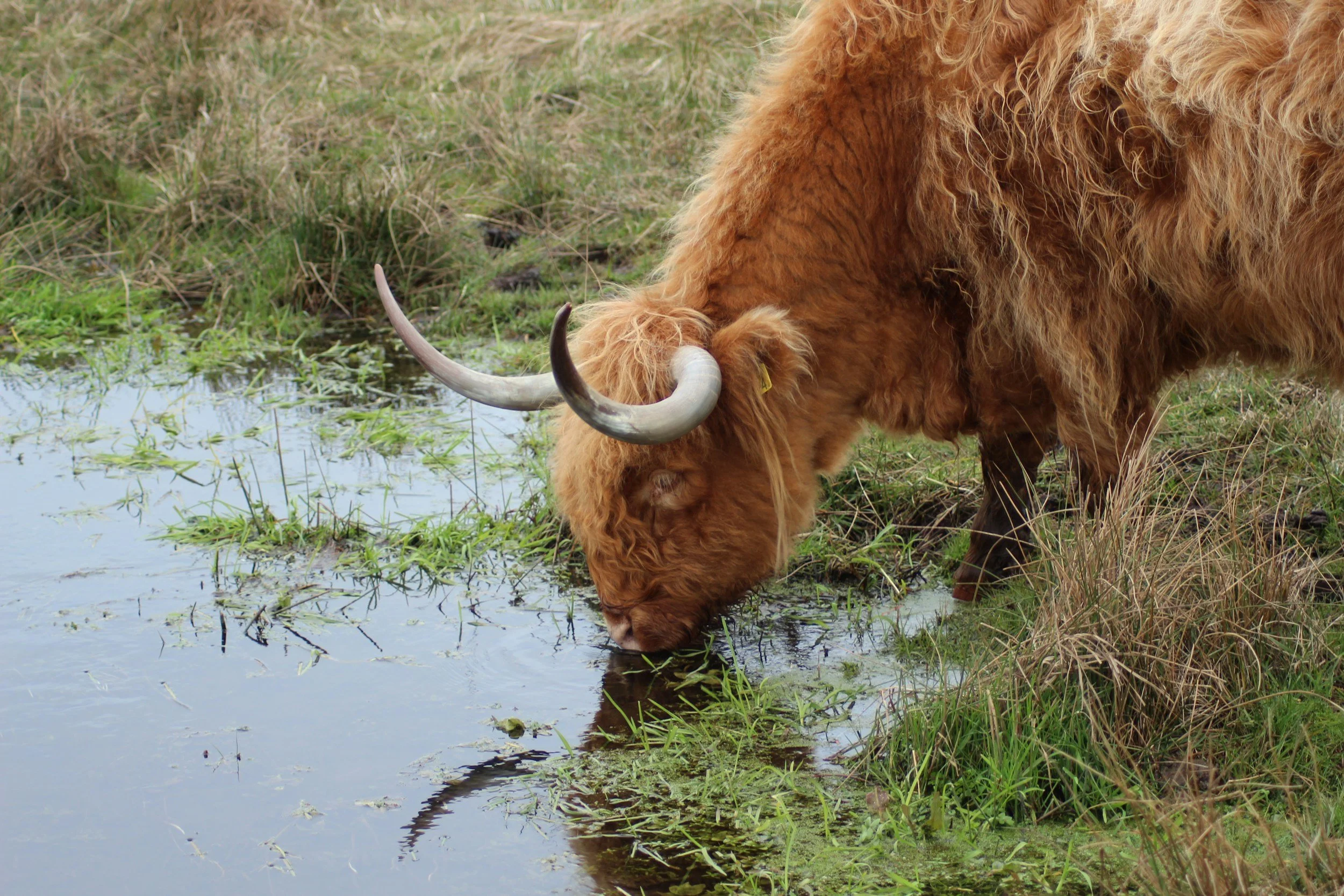
We see, lastly, in these verses, the right observance of the Sabbath day asserted and defended by our Lord Jesus Christ. The ruler of the synagogue in which the infirm woman was healed, found fault with her as a breaker of the Sabbath. He drew down upon himself a stern but just rebuke: “Thou hypocrite, doth not each one of you on the Sabbath loose his ox or his ass from the stall, and lead him away to watering?” If it was no breach of the fourth commandment to show kindness to oxen and asses, much less to show kindness to a daughter of Abraham.

Psalm 50:7-15
And the cattle upon a thousand hills.” Not alone the wild beasts, but also the tamer creatures are all his own. Even if God cared for these things, he could suppy himself. Their cattle were not, after all, their own, but were still the great Creator’s property, why then should he be beholden to them. From Dan to Beersheba, from Nebaioth to Lebanon, there fed not a beast which was not marked with the name of the great Shepherd; why, then, should he crave oblations of Israel? What a slight is here put even upon sacrifices of divine appointment when wrongly viewed as in themselves pleasing to God! And all this to be so expressly stated under the law! How much more is this clear under the gospel, when it is so much more plainly revealed, that “God is a Spirit, and they that worship him must worship him in spirit and in truth?” Ye Ritualists, ye Sacramentarians, ye modern Pharisees, what say ye to this?

Zephaniah 2:6-7
The Prophet confirms what he has before said respecting the future vengeance of God, which was now nigh at hand to the Moabites and other neighbouring nations, who had been continually harassing the miserable Jews. Hence, he says, that the whole region would become the habitation of sheep. It is a well known event, that when any country is without inhabitants shepherds occupy it; for there is no sowing nor reaping there, but grass alone grows. Where therefore, there is no cultivation, where no number of men are found, there shepherds find a place for their flocks, there they build sheepcots. It is, therefore, the same as though the Prophet had said, that the country would be desolate, as we find it expressed in the next verse.

Mark 4:30-34
The visible church of Christ has not yet done growing. Notwithstanding the melancholy apostacy of some of its branches, and the deplorable weakness of others, it is still extending and expanding over the world. New branches have continually been springing up in America, in India, in Australia, in Africa, in China, in the Islands of the South Seas, during the last fifty years. Evils undoubtedly there are many. False profession and corruption abound. But still, on the whole, heathenism is waning, wearing out, and melting away. In spite of all the predictions of Voltaire and Paine, in spite of foes without and treachery within, the visible church progresses — the mustard plant still grows.

Romans 8:35-36
Ps. 44:22, For thy sake we are killed all the day long, which intimates that we are not to think strange, no not concerning the fiery bloody trial. We see the Old-Testament saints had the same lot; so persecuted they the prophets that were before us. Killed all the day long, that is, continually exposed to and expecting the fatal stroke. There is still every day, and all the day long, one or other of the people of God bleeding and dying under the rage of persecuting enemies. Accounted as sheep for the slaughter; they make no more of hilling a Christian than of butchering a sheep. Sheep are killed, not because they are hurtful while they live, but because they are useful when they are dead. They kill the Christians to please themselves, to be food to their malice. They eat up my people as they eat bread, Ps. 14:4.

Genesis 9:13-17
“I do set my bow in the cloud.” From these words certain eminent theologians have been induced to deny, that there was any rainbow before the deluge: which is frivolous. For the words of Moses do not signify, that a bow was then formed, which did not previously exist; but that a mark was engraven upon it, which should give a sign of the divine favour towards men. That this may the more evidently appear, it will be well to recall to memory what we have elsewhere said, that some signs are natural, and some preternatural.

Galatians 6:7-9
Our present time is seed-time: in the other world there will be a great harvest; and, as the husband an reaps in the harvest according as he sows in the seedness, so we shall reap then as we sow now. And he further informs up (Gal. 6:8) that, as there are two sorts of seedness, sowing to the flesh and sowing to the Spirit, so accordingly will the reckoning be hereafter: If we sow to the flesh, we shall of the flesh reap corruption. If we sow the wind, we shall reap the whirlwind. Those who live a carnal sensual life, who, instead of employing themselves to the honour of God and the good of others, spend all their thoughts, and care, and time, about the flesh, must expect no other fruit of such a course than corruption—a mean and short-lived satisfaction at present, and ruin and misery at the end of it. But, on the other hand, those who sow to the Spirit, who under the guidance and influence of the Spirit do live a holy and spiritual life, a life of devotedness to God and usefulness and serviceableness to others, may depend upon it that of the Spirit they shall reap life everlasting—they shall have the truest comfort in their present course, and an eternal life and happiness at the end of it.

Acts 9:40-43
He tarried not in the house of Tabitha, though she was rich, lest he should seem to seek his own glory; but he took up his lodgings with one Simon a tanner, an ordinary tradesman, which is an instance of his condescension and humility: and hereby he has taught us not to mind the high things, but condescend to those of low estate, Rom. 12:16. And, though Peter might seem to be buried in obscurity here in the house of a poor tanner by the sea-side, yet hence God fetched him to a noble piece of service, which is recorded in the next chapter; for those that humble themselves shall be exalted.
Mark 11:12-21
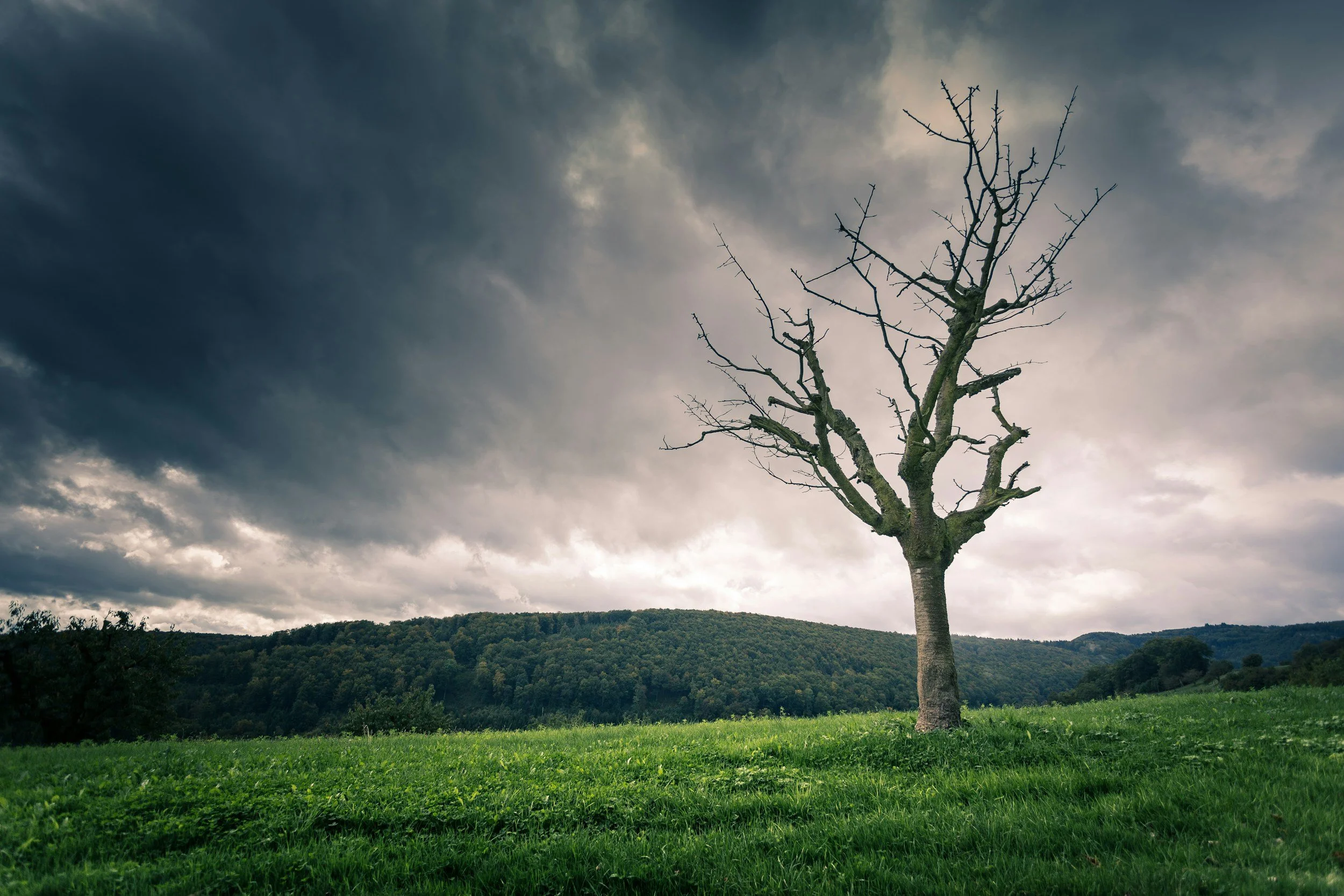
This is a lesson which our Lord teaches in a remarkable typical action. We are told that coming to a fig tree in search of fruit, and finding “on it nothing but leaves,” He pronounced on it the solemn sentence, “No man eat fruit of thee hereafter for ever.” And we are told that the next day the fig tree was found “dried up from the roots.” We cannot doubt for a moment that this whole transaction was an emblem of spiritual things. It was a parable in deeds, as full of meaning as any of our Lord’s parables in words.

Genesis 30:33-36
For he declares that he hoped for a testimony of his faith and uprightness from the Lord, in the happy result of his labours, as if he had said, “The Lord who is the best judge and vindicator of my righteousness, will indeed show with what sincerity and faithfulness I have hitherto conducted myself.” And though the Lord often permits sinners to be enriched by wicked arts, and suffers them to acquire abundant gain by seizing the goods of others as their own: this proves no exception to the rule, that this blessing is the ordinary attendant on good faith and equity. Wherefore, Jacob justly gave this token of his fidelity, that he committed the success of his labours to the Lord, in order that his integrity might hence be made manifest.
Mark 6:30-34
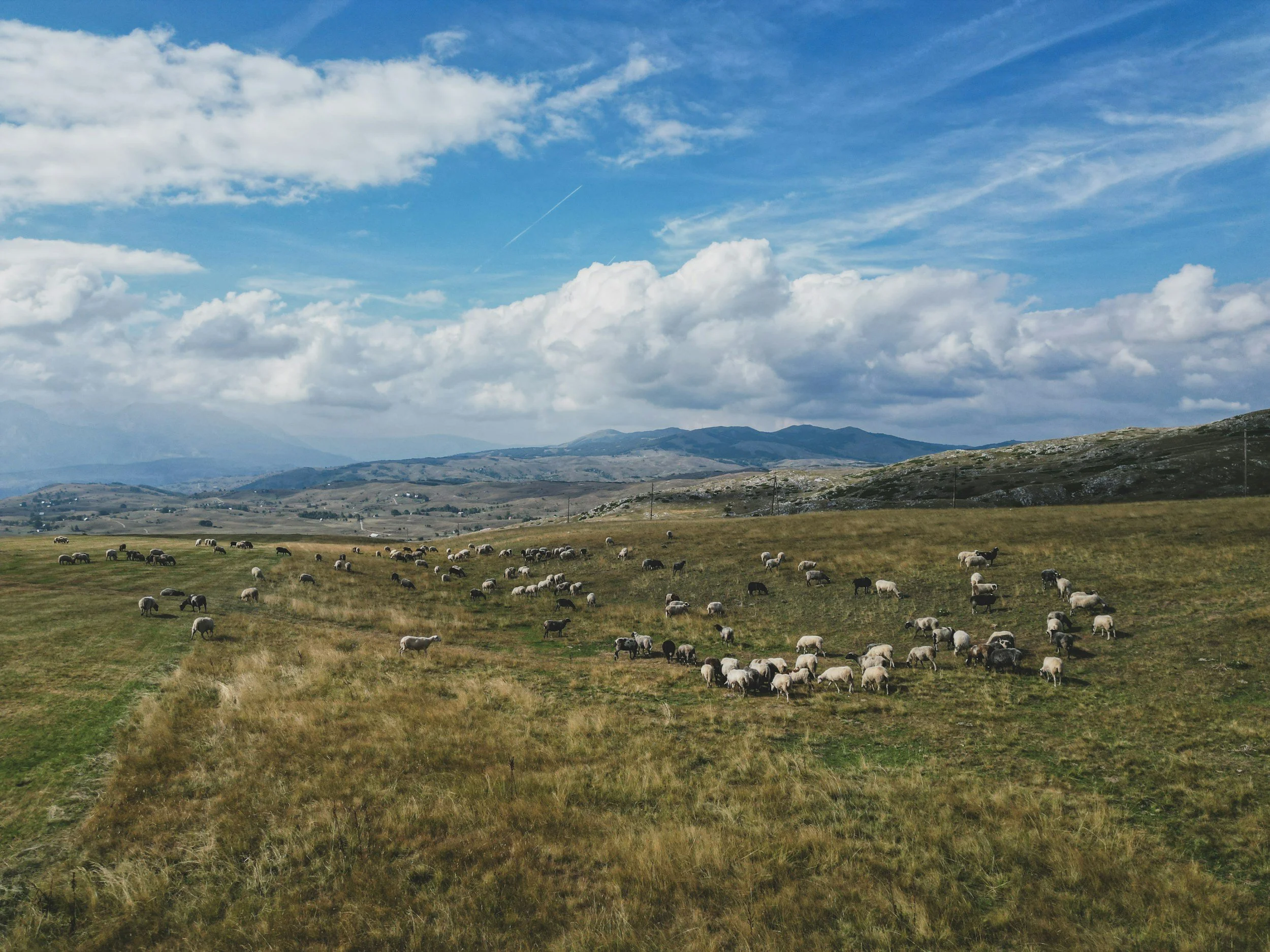
We read that He “was moved with compassion toward them, because they were as sheep without a shepherd.” They were destitute of teachers. They had no guides but the blind Scribes and Pharisees. They had no spiritual food but man-made traditions. Thousands of immortal souls stood before our Lord, ignorant, helpless, and on the high road to ruin. It touched the gracious heart of our Lord Jesus Christ. He was “moved with compassion toward them. He began to teach them many things.”
Luke 13:31-35
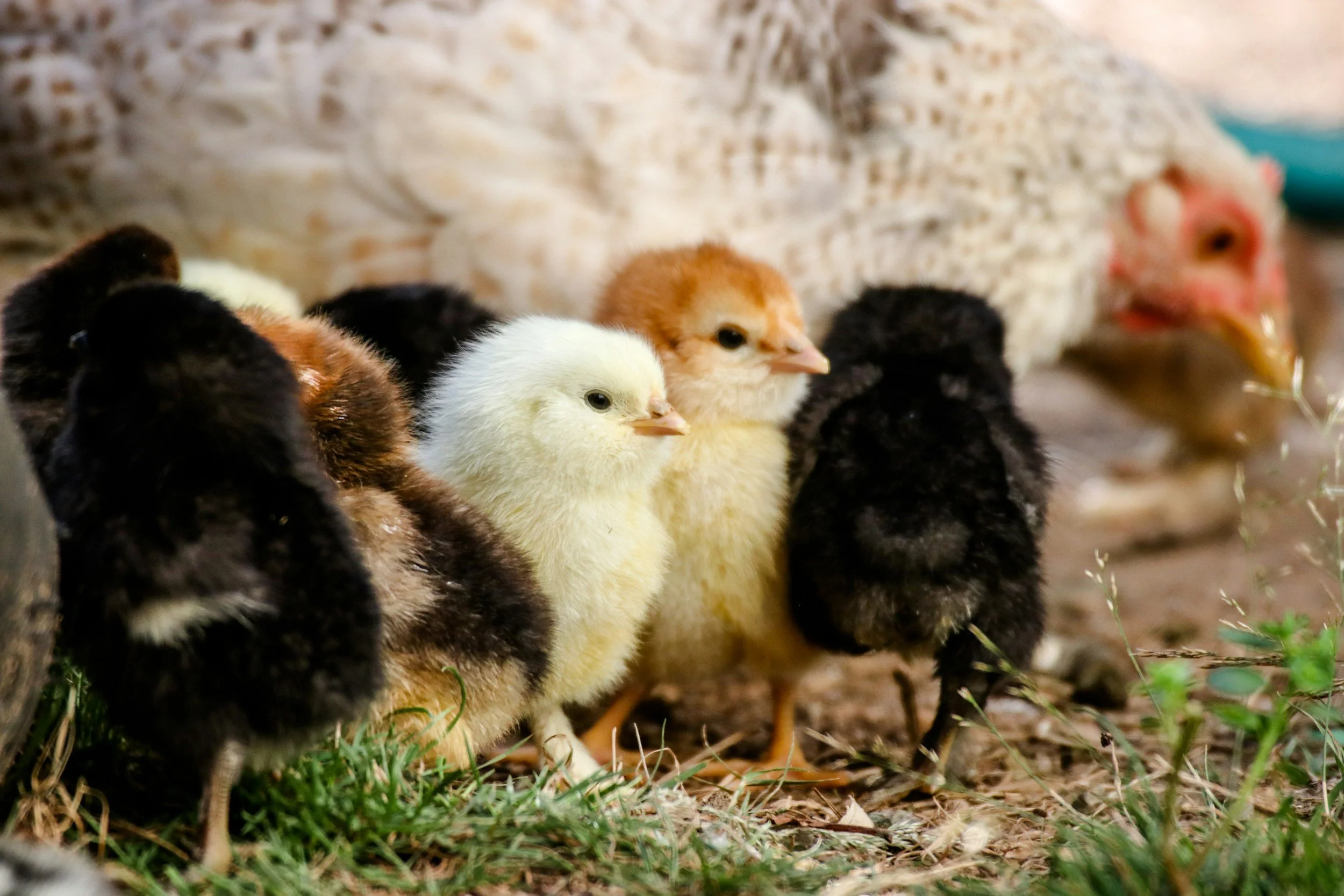
We see this brought out in a most forcible manner by our Lord’s language about Jerusalem. He knew well the wickedness of that city. He knew what crimes had been committed there in times past. He knew what was coming on Himself, at the time of His crucifixion. Yet even to Jerusalem He says, “How often would I have gathered thy children together as a hen doth gather her brood under her wings, and ye would not.”

Psalm 1:3-4
”And he shall be like a tree planted;” not a wild tree, but “a tree planted,” chosen, considered as property, cultivated and secured from the last terrible uprooting, for “every plant, which my heavenly Father hath not planted, shall be rooted up:” (Matt. 15:13) ”By the rivers of water;” so that even if one river should fail, he hath another. The rivers of pardon and the rivers of grace, the rivers of the promise and the rivers of the communion with Christ, are never-failing sources of supply. He is “like a tree planted by the rivers of water, that bringeth forth his fruit in his season;” not unseasonable graces, like untimely figs, which are never full-flavoured. But the man who delights in God’s Word, being taught by it, bringeth forth patience in the time of suffering, faith in the day of trial, and holy joy in the hour of prosperity.
John 21:1-14
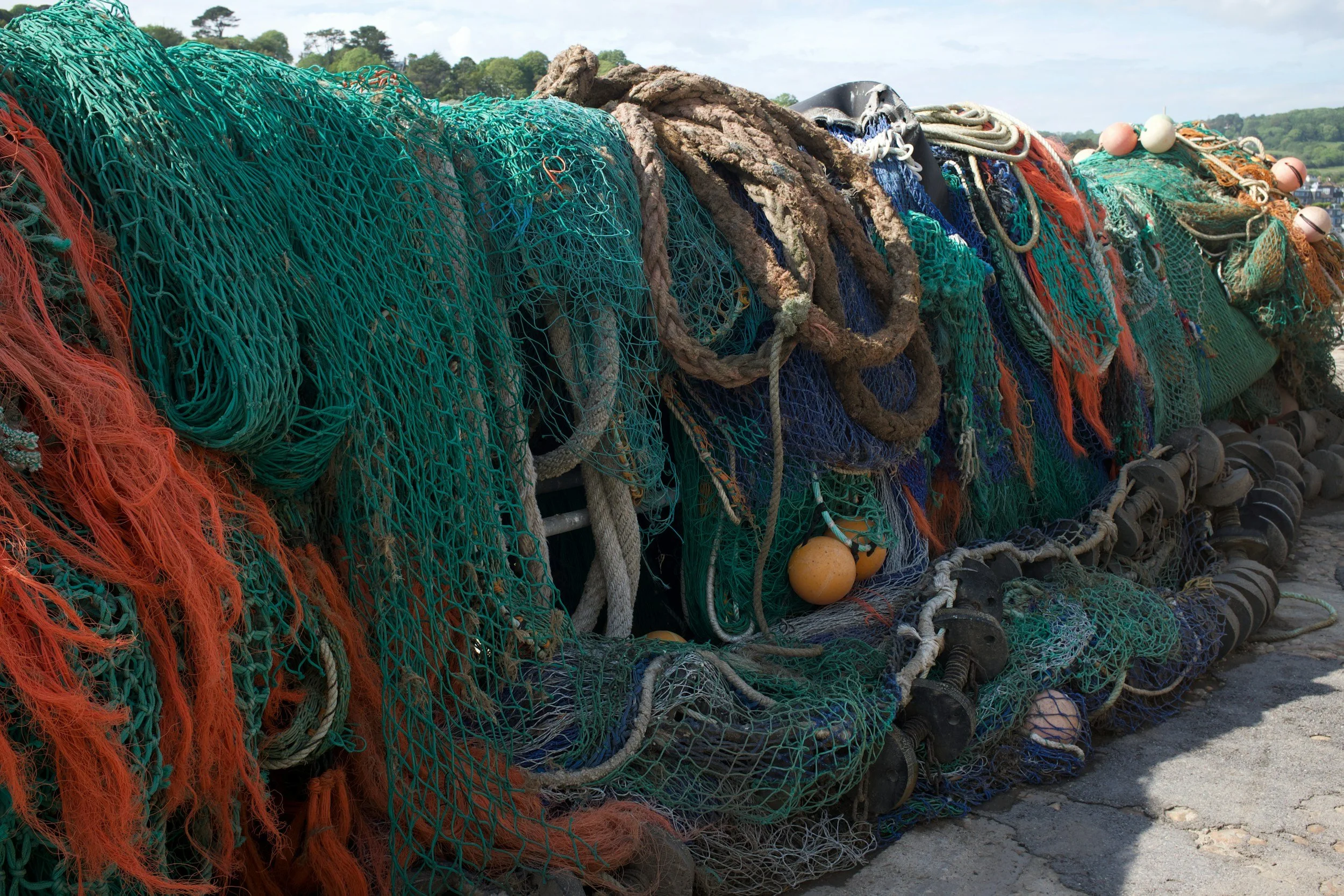
We should observe, for one thing, in these verses, the poverty of the first disciples of Christ. We find them working with their own hands, in order to supply their temporal wants, and working at one of the humblest of callings, — the calling of a fisherman. Silver and gold they had none, lands and revenues they had none, and therefore they were not ashamed to return to the business to which they had, most of them, been trained. Striking is the fact, that some of the seven here named were fishing, when our Lord first called them to be Apostles, and again fishing, when He appeared to them almost the last time. We need not doubt that to the minds of Peter, James, and John, the coincidence would come home with peculiar power.

Psalm 37:19-20
“They shall not be ashamed in the evil time.” Calamities will come, but deliverances will come also. As the righteous never reckoned upon immunity from trouble, they will not be disappointed when they are called to take their share of it, but the rather they will cast themselves anew upon their God, and prove again his faithfulness and love. God is not a friend in the sunshine only, he is a friend indeed and a friend in need. “And in the days of famine they shall be satisfied.” Their barrel of meal and cruse of oil shall last out the day of distress, and if ravens do not bring them bread and meat, the supply of their needs shall come in some other way, for their bread shall be given them.

Psalm 35:1-5
“Let them be as chaff before the wind.” They were swift enough to attack, let them be as swift to flee. Let their own fears and the alarms of their consciences unman them so that the least breeze of trouble shall carry them hither and thither. Ungodly men are worthless in character, and light in their behaviour, being destitute of solidity and fixedness; it is but just that those who make themselves chaff should be treated as such. When this imprecation is fulfilled in graceless men, they will find it an awful thing to be for ever without rest, without peace of mind, or stay of soul, hurried from fear to fear, and from misery to misery.

Genesis 30:37-43
And Jacob took him rods of green poplar. The narration of Moses, at first sight, may seem absurd: for he either intends to censure holy Jacob as guilty of fraud, or to praise his industry. But from the context it will appear that this adroitness was not culpable. Let us then see how it is to be excused. Should any one contend that he was impelled to act as he did, by the numerous injuries of his father-in-law, and that he sought nothing but the reparation of former losses; the defence would perhaps be plausible: yet in the sight of God it is neither firm nor probable; for although we may be unjustly treated, we must not enter the contest with equal injustice. And were it permitted to avenge our own injuries, or to repair our own wrongs, there would be no place for legal judgments, and thence would arise horrible confusion.

Genesis 26:18-22
And Isaac digged again the wells of water. First, we see that the holy man was so hated by his neighbours, as to be under the necessity of seeking a retreat for himself which was destitute of water; and no habitation is so troublesome and inconvenient for the ordinary purposes of life as that which suffers from scarcity of water. Besides, the abundance of his cattle and the multitude of his servants — who were like a little army — rendered a supply of water very necessary; whence we learn that he was brought into severe straits. But that this last necessity did not instigate him to seek revenge, is a proof of singular forbearance; for we know that lighter injuries will often rack the patience even of humane and moderate men.

John 15:1-6
We are meant to learn first, from these verses, that the union between Christ and believers is very close. He is “the Vine,” and they are “the branches.” The union between the branch of a vine and the main stem, is the closest that can be conceived. It is the whole secret of the branch’s life, strength, vigor, beauty, and fertility. Separate from the parent stem, it has no life of its own. The sap and juice that flow from the stem are the origin and maintaining power of all its leaves, buds, blossoms, and fruit. Cut off from the stem, it must soon wither and die.