
Ecclesiastes 3:1
There is, then, a season for every work of God, and it comes in its season. Every work has its part to fulfil, and it does fulfil it. There was a season for Israel’s deliverance from Egypt, and for the return from Babylon. Nothing could either force on, or keep back, the time. “On the self-same day,” the deliverance was at once developed and consummated. (Exod. 12:41; Ezra 1:1) To have looked for it at any other time — whether sooner or later — would only have brought disappointment. There was “the fulness of time,” the appointed season — the fittest time — for the Saviour’s advent. (Gal. 4:4)

Ecclesiastes 11:3-4
Solomon abounds in happy illustrations. (Mercer.) Here he pictures the sun exhaling its watery vapours from the earth, not to retain, but to discharge them, that they may break as clouds ‘big with blessings’ upon the earth again. And is not the man of God the cloud full of rain — blessed, as a child of Abraham, that he may be made “a blessing?” (Gen. 12:2) The blessing will not be lost. There is good security for the return of well-principled benevolence. Where it has been dispensed, there let it be looked for: there it will be found, here or hereafter — just as the tree — in the place where it falleth — whether towards the south or towards the north — there it shall be.

Ecclesiastes 2:18-23
This passage presents another aspect of vanity, and to the wise man a great grief. All his great works of wisdom and labour, which had ministered to him a temporary satisfaction, after a while became to him objects of disgust. They must be left, and to whom he could not tell. David had no such anxieties. His heart had not been set upon his treasures, and therefore it was no sacrifice to him to part with them. Besides, he well knew the consecrated use to which his wise son would apply them. (1 Chron. 28:11-21; 29:1-22) But Solomon probably had his forebodings of the man who should come after him. And the history of the son fully justified the anxious question — Who knoweth whether he shall be a wise man or a fool? (Ps. 49:10 Comp. Ps. 39:6)

Ecclesiastes 3:2
But not only the two great points, but every atom of life has its relative importance. To everything there is a season and a purpose. Within the boundary of life there is therefore a time to plant, and a time to pluck up that which is planted.Planting had been to Solomon a matter of primary interest. (Eccl. 2:4-5) But how soon might the season come to undo his own work, and to pluck up that which was planted! Often is a garden or estate laid out with plantations — whether for present pleasure or future advantage. Yet change of mind or of taste — withering winds — over-luxuriant growth — pecuniary necessity or profit — may induce the owner to pluck up. Thus does the most ordinary course of life exhibit a changing world — therefore no centre of rest.
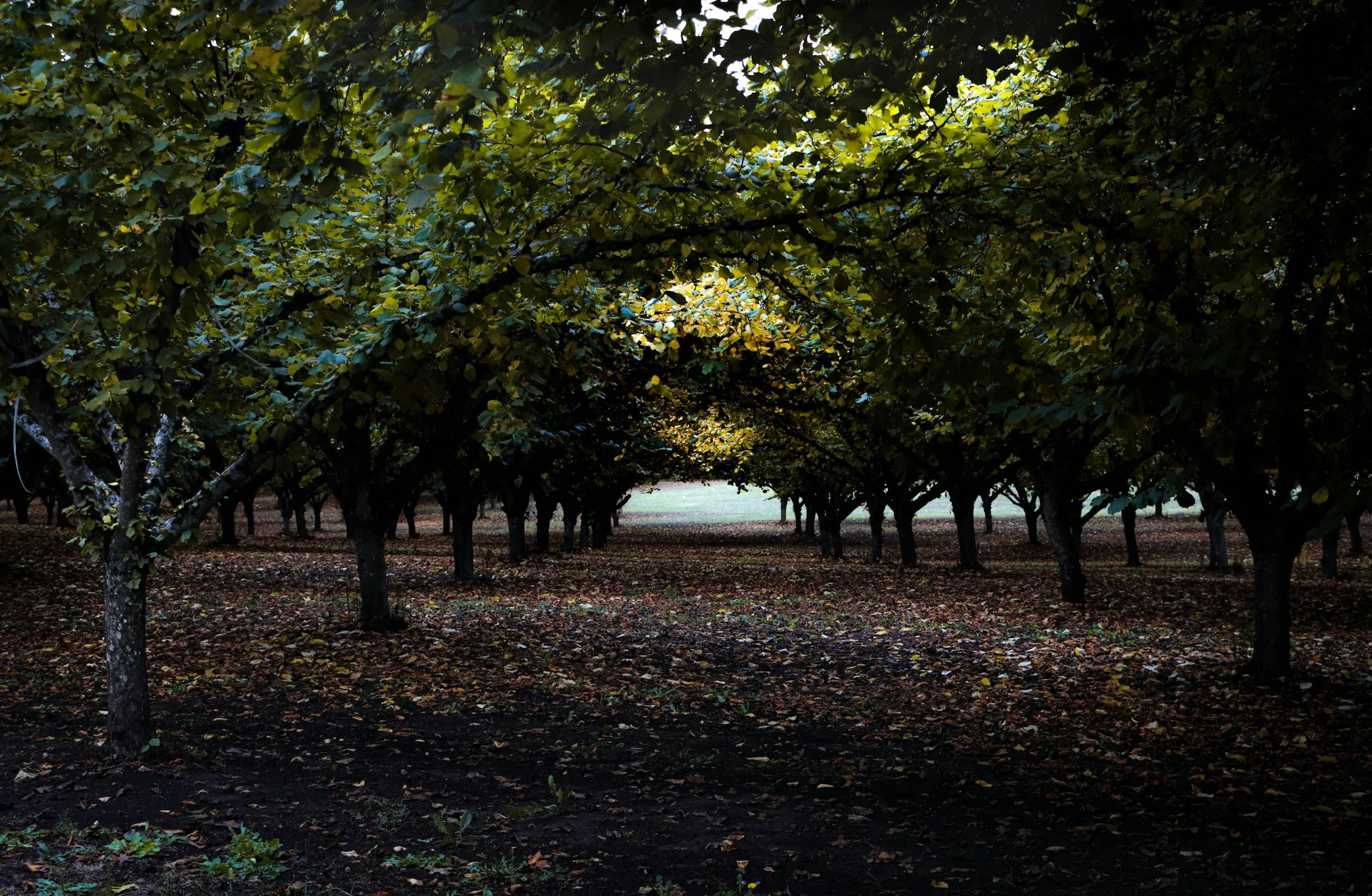
Ecclesiastes 2:4-11
And yet, when he looked back on all his works which he had wrought, and the labour which he had laboured, it seemed only as the chasing of shadows. The pleasure faded with the novelty. The appetite was palled without satisfaction. The sad vacuity still remained — a wearisome vexation, as if ‘he had been abundantly filled with the wind,’ (Beza in loco.) or “feeding upon ashes.” (Isa. 44:20) Here, then, is the man, who drank the fullest cup of earth’s best joy — who ‘set nature on the rack to confess its uttermost strength for the delighting and satisfying of man.’ (Leighton’s Sermon on Ps. 119:96) What the result is, hear from his own mouth — vanity and vexation.
Ecclesiastes 11:5-6
The seed sown upon the prepared soul promises a rich harvest. “Sow to yourselves” — saith the prophet — “in righteousness; reap in mercy.” (Hos. 10:12) The morning and evening work mark the diligence — “instant in season — out of season.” (2 Tim. 4:2) The active exercise of charity seems to be the lesson primarily inculcated. (Comp. 2 Cor. 9:6-10) For ‘deeds of charity are the seeds of the harvest of eternal life.’ (Diodati.) The uncertainty as to particular results — whether this or that — instead of bringing doubts and difficulties, quickens to diligence.
Ecclesiastes 12:11
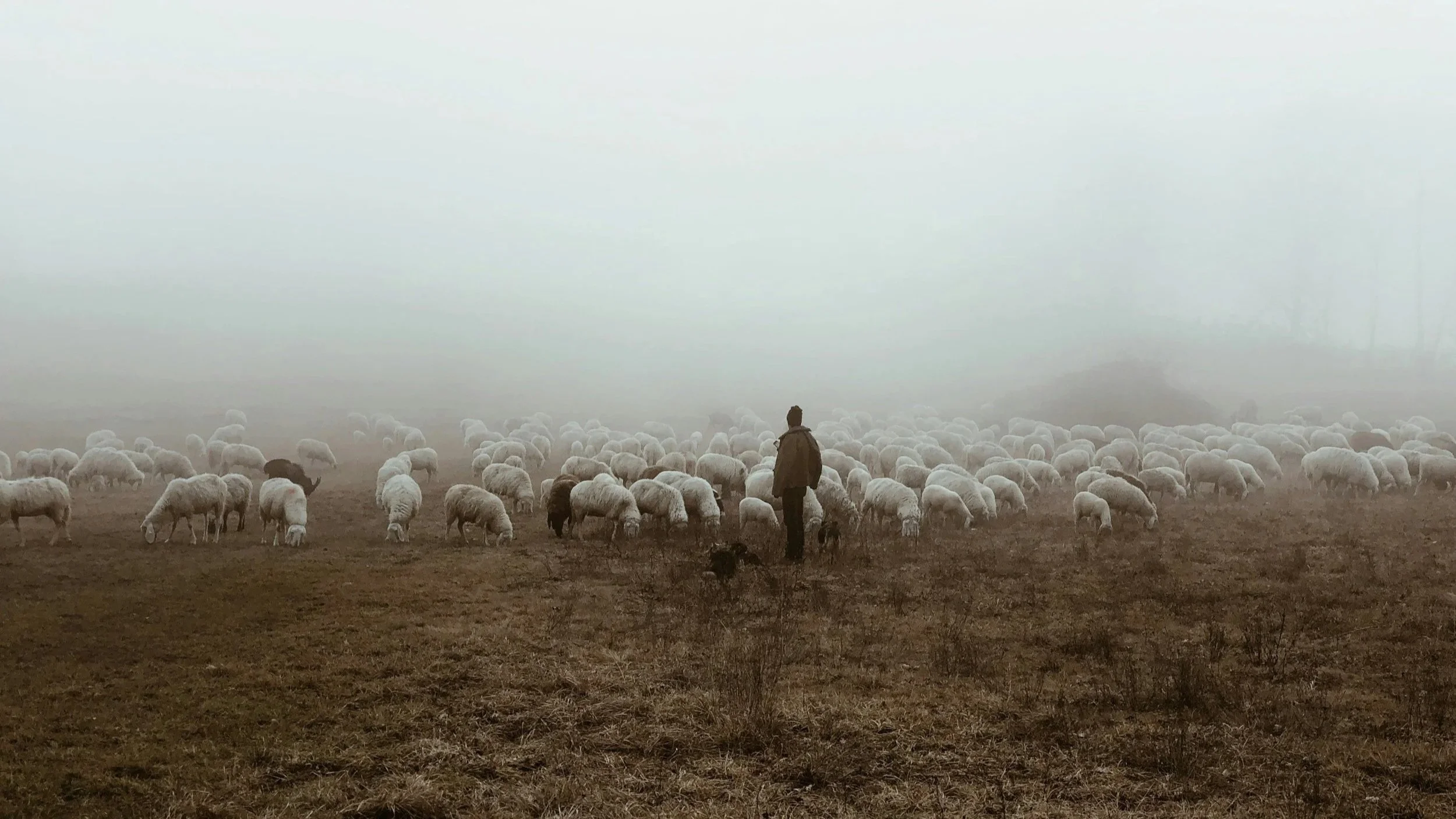
Solomon illustrates the power of the words of the wise by goads — so needful to urge on the sluggish oxen in their forward pace — turning neither to the right hand nor to the left. And who of us does not need the goad? Slumbering as we are in cold formality — hearing the word, as if we heard it not — what a mercy is it to feel the piercing point of the goad, experimentally to know the “Scripture as profitable for reproof” (2 Tim. 3:16) — awakening — alarming — stirring up the cry of anxious distress, “What shall we do?” (Acts 2:37) Is it not fearful to be under the power of the word, and yet to continue so insensible? as if the goad just touched the skin, and did not penetrate the heart?

Ecclesiastes 3:18-21
We must not pass by this clear proof of the immortality of the soul. The spirit even of the wicked goeth upward. It appears in the presence of the Great “Judge of all” — who, though “filling heaven and earth with his presence, hath prepared his throne in the heavens.” (Jer. 23:24; Ps. 103:19) Here is our lively hope — not like the feeble twinkling rays in the dark heathen cloud. Not “life” only, but “immortality is brought to light by the Gospel.” (2 Tim. 1:10) But who knoweth? How few realize the confidence! All beyond the grave rests on Divine Revelation. Yet unspeakable is the mercy, when in this clear light we can see our “spirits” — not going downward to perish, but “made perfect” (Heb. 12:23) in the presence of God for ever.

Ecclesiastes 5:8-9
Agriculture was an ordinance of God before the fall. (See Gen. 2:15) ‘And of all the arts of civilized man, it is transcendently the most essential and valuable. Other arts may contribute to the comfort, the convenience, and the embellishment of life. But the cultivation of the soil stands in immediate connexion with our very existence. The life itself, to whose comfort, convenience, and embellishment other arts contribute, is by this to be sustained, so that others without it can avail nothing. In their dependence on the field all are equal. The prince and the peasant are alike served of it.’ (Wardlaw.)