
Galatians 6:9
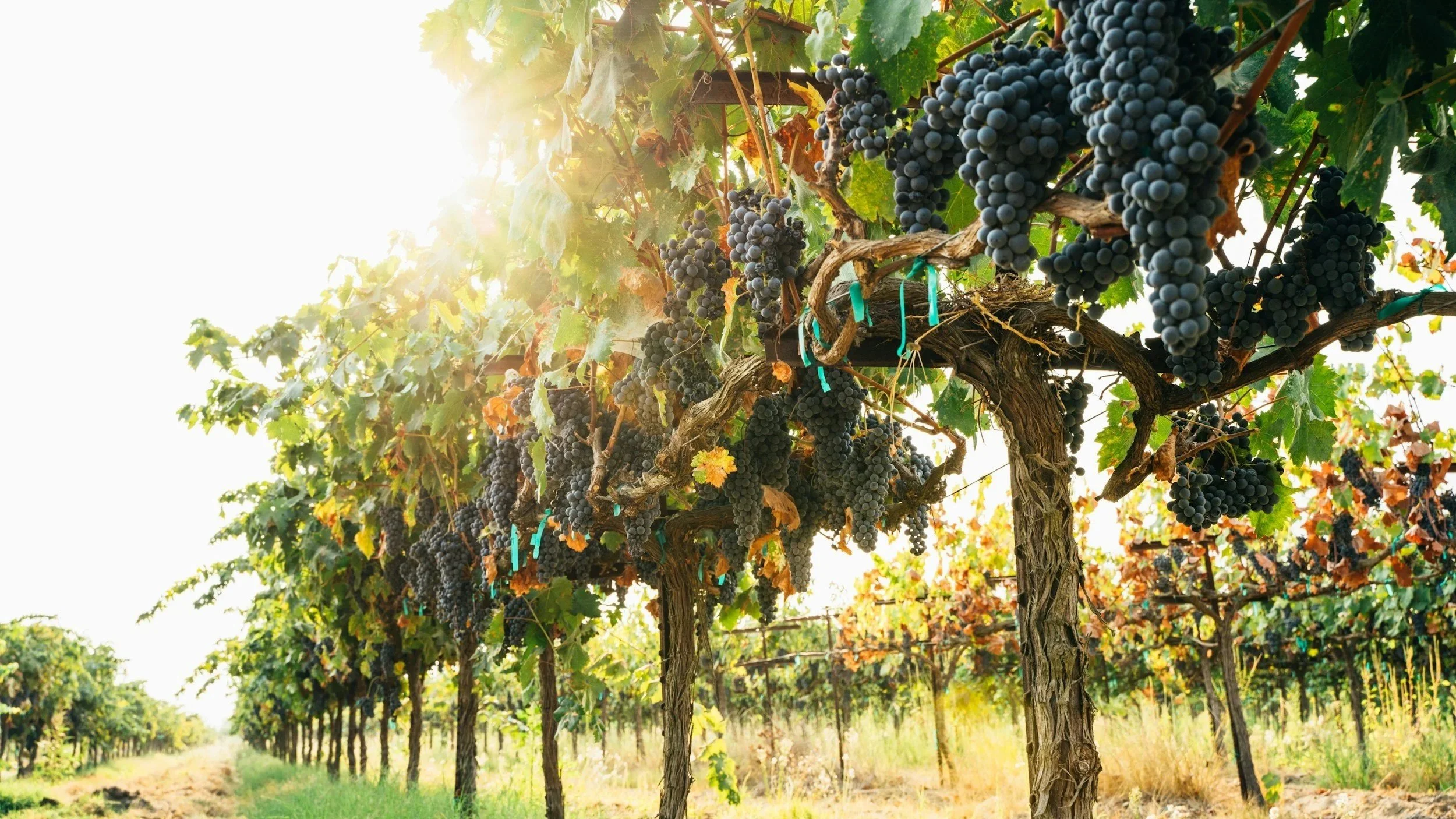
Like “the husbandman” who “waiteth for the precious fruit of the earth, and hath long patience for it, till he has received the former and latter rain,” the Christian must also “be patient and stablish his heart.” Our time is always ready; but it is not for us either to know or to regulate the times and the seasons. The Father has kept them in his own power. The harvest is certain. This we are assured of, and, moreover, that if our own fault prevent not, it will be abundant and joyful. Whether it is to be an early or a late one depends entirely on the arrangements of Him who is “wonderful in counsel, and excellent in working.” And is it not right that it should be so? Is it not enough to be assured that in due season — at the period fixed by infinite wisdom and kindness — our objects shall be completely gained, our exertions abundantly rewarded?

Galatians 6:8
The Christian is not like a labourer in the mines, who must look to the upper regions for nourishment and support, and who cannot turn to immediate use the results of his toilsome operation; but, like the agriculturist, all who labour goes directly to the production of what is nourishing, and who is supported by the very same kind of material as that in the cultivation of which he is engaged. Every just view of Christian truth — every holy disposition — is a source of enjoyment opened to the Christian in this waste and howling wilderness; and it is perfect knowledge and perfect holiness which form “the river of life, clear as crystal, issuing forth from beneath the throne of God and of the Lamb,” along whose banks all the nations of the saved repose, “and drink their fill of its pure immortal streams.”
Galatians 5:22-25
The other principle is equally important, — ‘Walking in the Spirit is the natural result and only satisfactory evidence of living in the Spirit.’ The state of the mind and heart is closely connected with that of the conduct. Whatever a man’s profession be — however ingeniously he may speculate, and however plausibly and fluently he may talk about Christianity, — if, in his temper and conduct, he does not exhibit the native results of Christian principle and feeling, he makes it evident that he is not a Christian. “By their fruits,” says our Lord, “ye shall know them.” The Spirit is not there when his fruits are not there.
Galatians 6:7
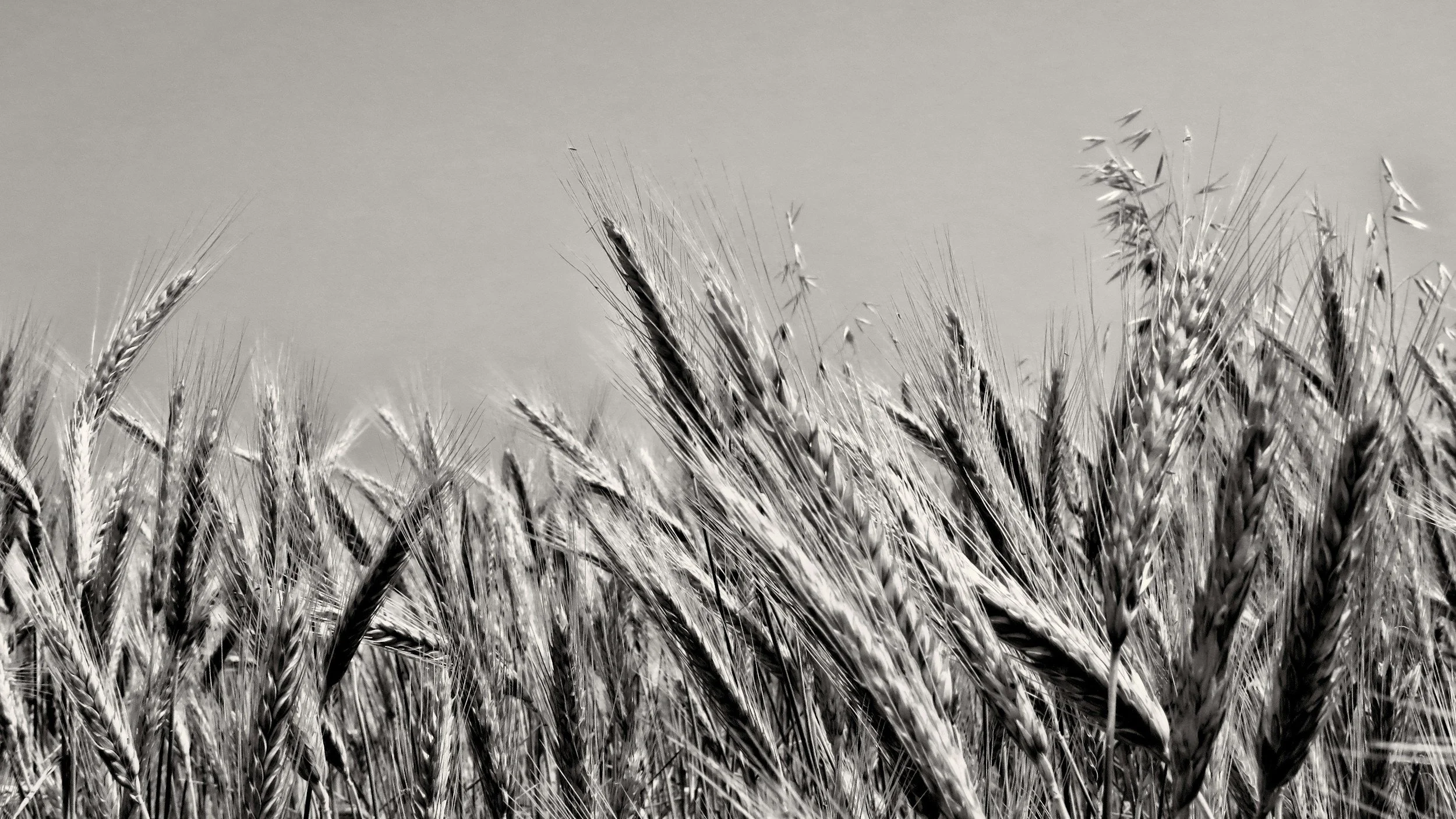
This leading principle of the Divine government is couched in plain and figurative language. “Whatsoever a man soweth, that shall he also reap.” The expression seems proverbial, and intimates that there shall be a strict conformity between a man’s present character and conduct, and his future condition — a correspondence similar to that which exists between sowing and reaping. The proverb holds both as to the kind and as to the quantity of the seed sown. He who sows tares shall reap tares; and he who sows wheat shall reap wheat. Sin will produce punishment, and duty will lead to reward. “He who sows sparingly shall reap sparingly; and he who sows bountifully shall reap bountifully.” The degree of punishment will be proportioned to that of crime, and the degree of reward to the degree of holiness.

Galatians 6:7-9
Our present time is seed-time: in the other world there will be a great harvest; and, as the husband an reaps in the harvest according as he sows in the seedness, so we shall reap then as we sow now. And he further informs up (Gal. 6:8) that, as there are two sorts of seedness, sowing to the flesh and sowing to the Spirit, so accordingly will the reckoning be hereafter: If we sow to the flesh, we shall of the flesh reap corruption. If we sow the wind, we shall reap the whirlwind. Those who live a carnal sensual life, who, instead of employing themselves to the honour of God and the good of others, spend all their thoughts, and care, and time, about the flesh, must expect no other fruit of such a course than corruption—a mean and short-lived satisfaction at present, and ruin and misery at the end of it. But, on the other hand, those who sow to the Spirit, who under the guidance and influence of the Spirit do live a holy and spiritual life, a life of devotedness to God and usefulness and serviceableness to others, may depend upon it that of the Spirit they shall reap life everlasting—they shall have the truest comfort in their present course, and an eternal life and happiness at the end of it.