
Mark 2:23-28
We see from these verse, what extravagant importance is attached to trifles by those who are mere formalists in religion. The Pharisees were mere formalists, if there ever were any in the world. They seem to have thought exclusively of the outward part, the husk, the shell, and the ceremonial of religion. They even added to these externals by traditions of their own. Their godliness was made up of washings, and fastings, and peculiarities in dress, and will-worship, while repentance, and faith, and holiness were comparatively overlooked.
Mark 13:24-31
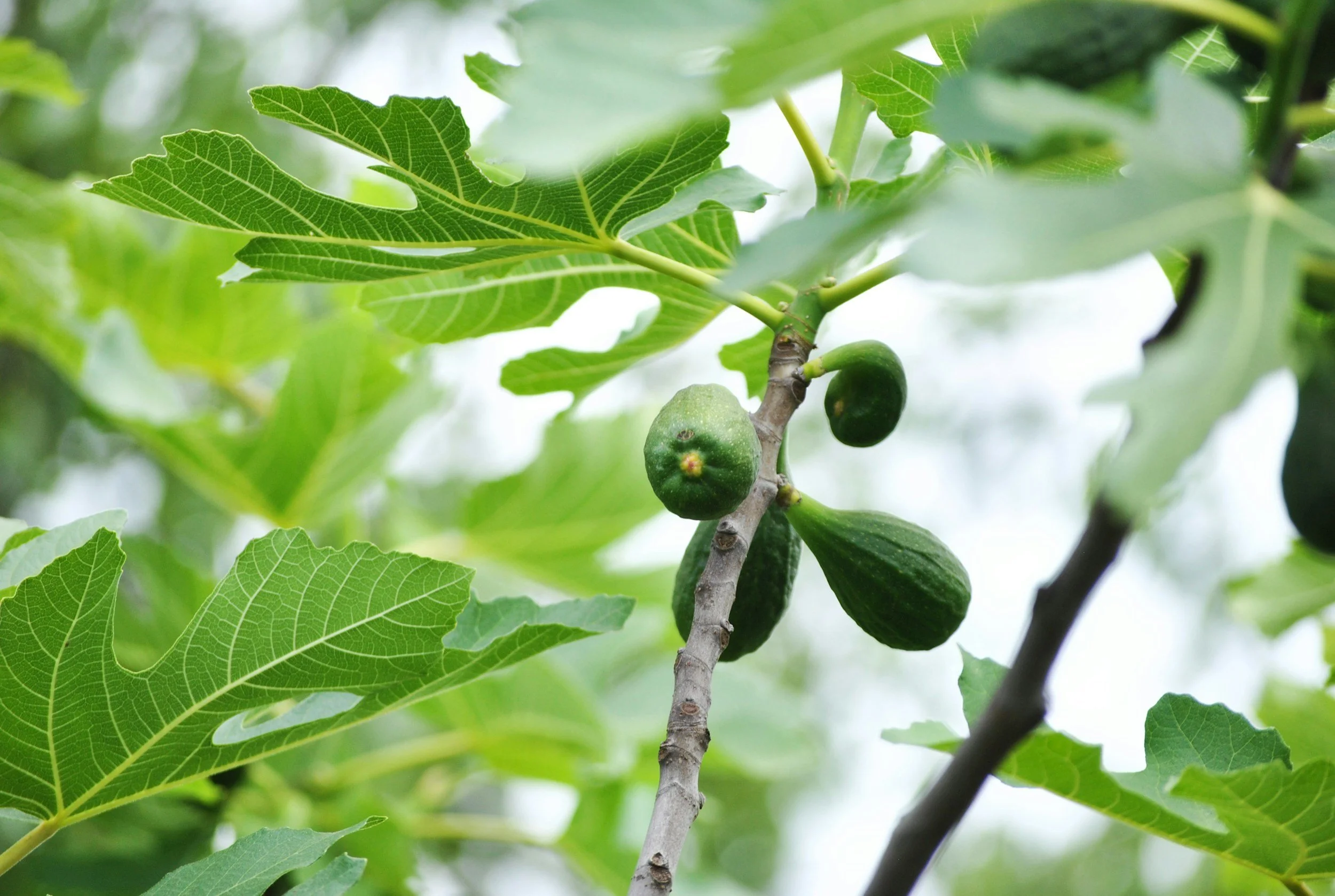
Let us observe, in the next place, how important it is to note the signs of our own times. Our Lord bids His disciples “learn a parable of the fig tree.” Just as its budding leaves tell men that summer is near, so the fulfilment of events in the world around us, should teach us that the Lord’s coming “is nigh, even at the doors.” It becomes all true Christians to observe carefully the public events of their own day. It is not only a duty to do this, but a sin to neglect it. Our Lord reproved the Jews for “not discerning the signs of the times.” (Matt. 16:3) They did not see that the sceptre was passing away from Judah, and the weeks of Daniel running out. Let us rather open our eyes, and look at the world around us.

Mark 4:30-34
The visible church of Christ has not yet done growing. Notwithstanding the melancholy apostacy of some of its branches, and the deplorable weakness of others, it is still extending and expanding over the world. New branches have continually been springing up in America, in India, in Australia, in Africa, in China, in the Islands of the South Seas, during the last fifty years. Evils undoubtedly there are many. False profession and corruption abound. But still, on the whole, heathenism is waning, wearing out, and melting away. In spite of all the predictions of Voltaire and Paine, in spite of foes without and treachery within, the visible church progresses — the mustard plant still grows.

Mark 11:12-21
This is a lesson which our Lord teaches in a remarkable typical action. We are told that coming to a fig tree in search of fruit, and finding “on it nothing but leaves,” He pronounced on it the solemn sentence, “No man eat fruit of thee hereafter for ever.” And we are told that the next day the fig tree was found “dried up from the roots.” We cannot doubt for a moment that this whole transaction was an emblem of spiritual things. It was a parable in deeds, as full of meaning as any of our Lord’s parables in words.
Mark 6:30-34
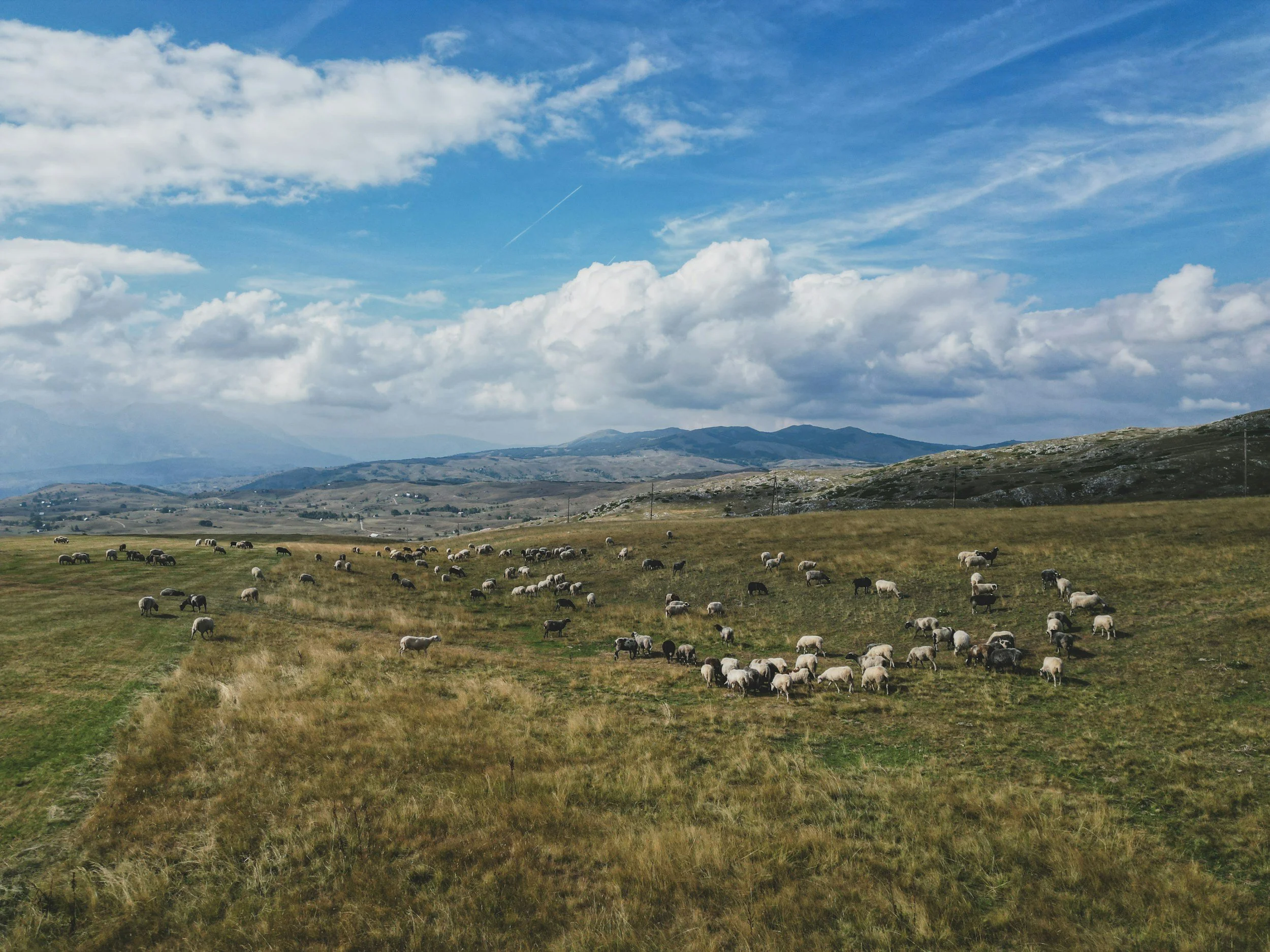
We read that He “was moved with compassion toward them, because they were as sheep without a shepherd.” They were destitute of teachers. They had no guides but the blind Scribes and Pharisees. They had no spiritual food but man-made traditions. Thousands of immortal souls stood before our Lord, ignorant, helpless, and on the high road to ruin. It touched the gracious heart of our Lord Jesus Christ. He was “moved with compassion toward them. He began to teach them many things.”

Mark 4:1-20
We are taught, in the first place, that there are some hearers of the Gospel, whose hearts are like the way-side in a field. These are they who hear sermons, but pay no attention to them. They go to a place of worship, for form or fashion, or to appear respectable before men. But they take no interest whatever in the preaching. It seems to them a mere matter of words and names, and unintelligible talk. It is neither money, nor meat, nor drink, nor clothes, nor company; and as they sit under the sound of it, they are taken up with thinking of other things. It matters nothing whether it is Law or Gospel. It produces no more effect on them than water on a stone. And at the end they go away, knowing no more than when they came in.

Mark 2:13-22
These words, we must of course see, were a parable. They were spoken with a special reference to the question which the Pharisees had just raised: “Why do the disciples of John fast, but thy disciples fast not?” Our Lord’s reply evidently means, that to enforce fasting among His disciples would be inexpedient and unseasonable. His little flock was as yet young in grace, and weak in faith, knowledge, and experience. They must be led on softly, and not burdened at this early stage with requirements which they were not able to bear. Fasting, moreover, might be suitable to the disciples of him who was only the Bridegroom’s friend, who lived in the wilderness, preached the baptism of repentance, was clothed in camel’s hair, and ate locusts and wild honey. But fasting was not equally suitable to the disciples of Him, who was the Bridegroom Himself, brought glad tidings to sinners, and came living like other men. In short, to require fasting of his disciples at present, would be putting “new wine into old bottles.” It would be trying to mingle and amalgamate things that essentially differed.

Mark 4:26-29
The wisest farmer on earth can never explain all that takes place in a grain of wheat, when he has sown it. He knows the broad fact that unless he puts it into the land, and covers it up, there will not be an ear of corn in time of harvest. But he cannot command the prosperity of each grain. He cannot explain why some grains come up and others die. He cannot specify the hour or the minute when life shall begin to show itself. He can not define what that life is. These are matters he must leave alone. He sows his seed, and leaves the growth to God. “God giveth the increase.” (1 Cor. 3:7)

Mark 12:1-12
Let us observe, in the first place, God’s special kindness to the Jewish Church and nation. He gave to them peculiar privileges. He dealt with them as a man deals with a piece of land which he separates and hedges in for “a vineyard.” He gave them good laws and ordinances. He planted them in a goodly land, and cast out seven nations before them. He passed by greater and mightier nations to show them favor. He let alone Egypt, and Assyria, and Greece, and Rome, and showered down mercies on a few millions of people in Palestine. The vineyard of the Lord was the house of Israel. No family under heaven ever received so many signal and distinguishing privileges as the family of Abraham.

Mark 1:16-20
Christ puts honor upon those who, though mean in the world, are diligent in their business, and loving to one another; so those were, whom Christ called. He found them employed, and employed together. Industry and unity are good and pleasant, and there the Lord Jesus commands the blessing, even this blessing, Follow me.

Mark 14:26-31
Yet our Lord’s fore-knowledge did not prevent His choosing these twelve disciples to be His apostles. He allowed them to be His intimate friends and companions, knowing perfectly well what they would one day do. He granted them the mighty privilege of being continually with Him, and hearing His voice, with a clear foresight of the melancholy weakness and want of faith which they would exhibit at the end of His ministry. This is a remarkable fact and deserves to be had in continual remembrance.

Mark 13:32-37
We learn, in the second place, from these verses, what are the practical duties of all true believers in the prospect of the second coming of Jesus Christ. Our Lord mentions three things, to which His people should attend. He tells them plainly that He is coming again one day, in power and great glory. He tells them at the same time, that the precise hour and date of that coming are not known. What then are His people to do? In what position of mind are they to live? They are to watch. They are to pray. They are to work.

Mark 1:9-20
It is clear, from these words, that the first followers of our Lord were not the great of this world. They were men who had neither riches, nor rank, nor power. But the kingdom of Christ is not dependent on such things as these. His cause advances in the world, “not by might, nor by power, but by my Spirit, saith the Lord of hosts.” (Zech. 4:6) The words of St. Paul will always be found true: “Not many wise men after the flesh, not many mighty, not many noble are called. But God hath chosen the foolish things of the world to confound the wise, and God hath chosen the weak things of the world to confound the things which are mighty.” (1 Cor. 1:26-27) The church which began with a few fishermen, and yet overspread half the world, must have been founded by God.