Psalm 44:17-22
To the chief Musician for the sons of Korah, Maschil.
44 We have heard with our ears, O God, our fathers have told us, what work thou didst in their days, in the times of old.
2 How thou didst drive out the heathen with thy hand, and plantedst them; how thou didst afflict the people, and cast them out.
3 For they got not the land in possession by their own sword, neither did their own arm save them: but thy right hand, and thine arm, and the light of thy countenance, because thou hadst a favour unto them.
4 Thou art my King, O God: command deliverances for Jacob.
5 Through thee will we push down our enemies: through thy name will we tread them under that rise up against us.
6 For I will not trust in my bow, neither shall my sword save me.
7 But thou hast saved us from our enemies, and hast put them to shame that hated us.
8 In God we boast all the day long, and praise thy name for ever. Selah.
9 But thou hast cast off, and put us to shame; and goest not forth with our armies.
10 Thou makest us to turn back from the enemy: and they which hate us spoil for themselves.
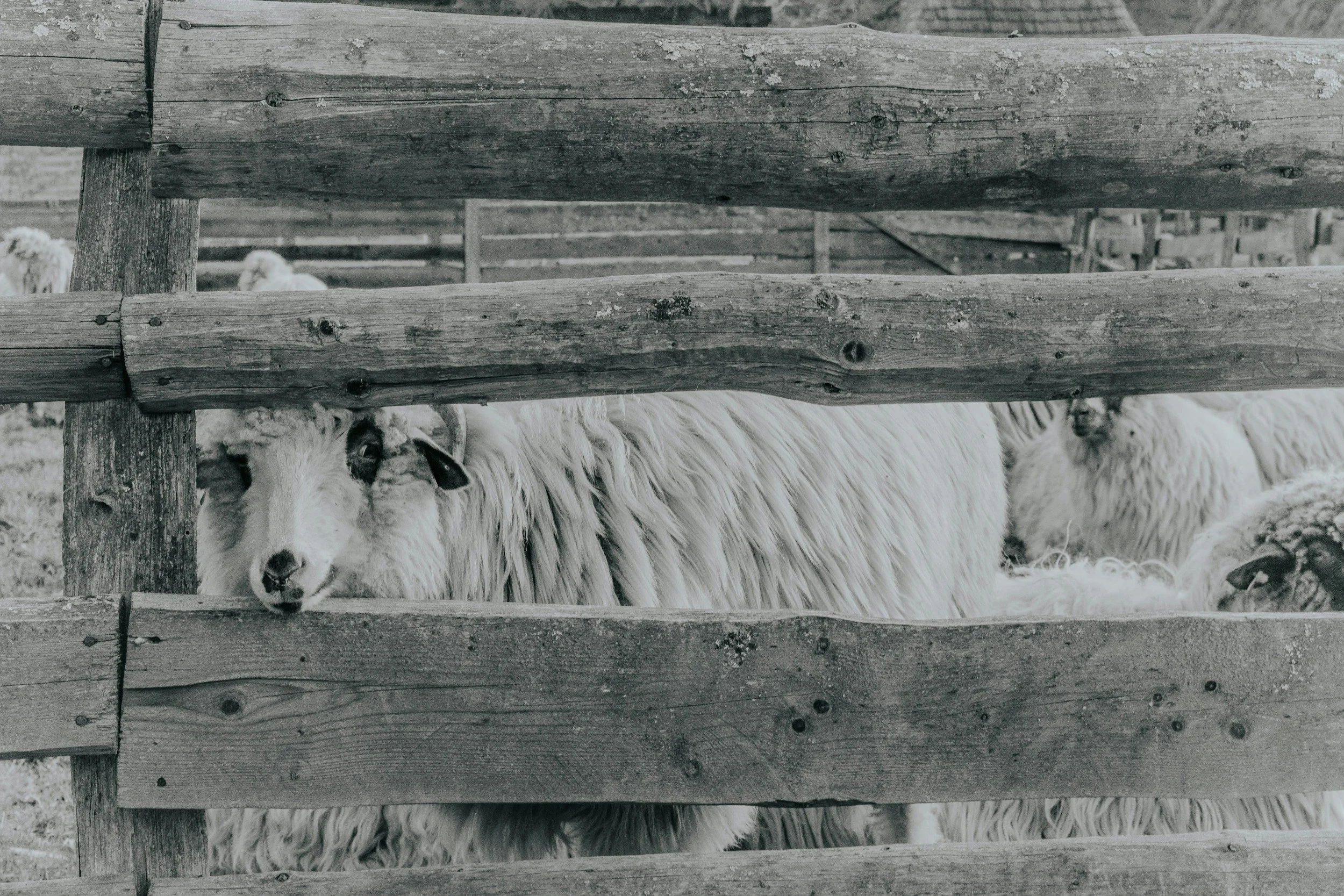
11 Thou hast given us like sheep appointed for meat; and hast scattered us among the heathen.
12 Thou sellest thy people for nought, and dost not increase thy wealth by their price.
13 Thou makest us a reproach to our neighbours, a scorn and a derision to them that are round about us.
14 Thou makest us a byword among the heathen, a shaking of the head among the people.
15 My confusion is continually before me, and the shame of my face hath covered me,
16 For the voice of him that reproacheth and blasphemeth; by reason of the enemy and avenger.
17 All this is come upon us; yet have we not forgotten thee, neither have we dealt falsely in thy covenant.
18 Our heart is not turned back, neither have our steps declined from thy way;
19 Though thou hast sore broken us in the place of dragons, and covered us with the shadow of death.
20 If we have forgotten the name of our God, or stretched out our hands to a strange god;
21 Shall not God search this out? for he knoweth the secrets of the heart.
22 Yea, for thy sake are we killed all the day long; we are counted as sheep for the slaughter.
23 Awake, why sleepest thou, O Lord? arise, cast us not off for ever.
24 Wherefore hidest thou thy face, and forgettest our affliction and our oppression?
25 For our soul is bowed down to the dust: our belly cleaveth unto the earth.
26 Arise for our help, and redeem us for thy mercies' sake.
To the Chief Musician for the sons of Korah, Maschil. — The title is similar to the forty-second, and although this is no proof that it is by the same author it makes it highly probable. No other writer should be sought for to father any of the Psalms when David will suffice, and therefore we are loth to ascribe this sacred song to any but the great Psalmist, yet as we hardly know any period of his life which it would fairly describe, we feel compelled to look elsewhere. Some Israelitish patriot fallen on evil times, sings in mingled faith and sorrow, his country’s ancient glory and her present griefs, her traditions of former favour and her experience of pressing ills. By Christians it can best be understood if put into the mouth of the church when persecution is peculiarly severe. The last verses remind us of Milton’s famous lines on the Massacre of the Protestants among the mountains of Piedmont.
The song before us is fitted for the voices of the saved by grace, the sons of Korah, and is to them and to all others full of teaching, hence the title Maschil.
From 1-3, the Lord’s mighty works for Israel are rehearsed, and in remembrance of them faith in the Lord is expressed 4-8. Then the notes of complaint are heard 9-16, the fidelity of the people to their God is avowed, 17-22, and the Lord is entreated to interpose, 23-26.
Sufferings of such a sort may be very terrible, but they are exceedingly honourable, and the comforts of the Lord shall sustain those who are accounted worthy to suffer for Christ’s sake.
“All this is come upon us; yet have we not forgotten thee.” Here the Psalmist urges that Israel had not turned away from her allegiance to Jehovah. When in the midst of many griefs we can still cling to God in loving obedience, it must be well with us. True fidelity can endure rough usage. Those who follow God for what they get, will leave him when persecution is stirred up, but not so the sincere believer; he will not forget his God, even though the worst come to the worst. “Neither have we dealt falsely in thy covenant.” No idol was set up, the ordained worship was not relinquished, God was still nationally acknowledged, and therefore the Psalmist is more earnest that the Lord should interpose. This and the succeeding verses are suitable for the lips of martyrs, indeed the entire Psalm might be called the martyr’s complaint. Not for sin but for righteousness did the saints suffer, not for falsehood but for truth, not for forsaking the Lord but for following hard after him. Sufferings of such a sort may be very terrible, but they are exceedingly honourable, and the comforts of the Lord shall sustain those who are accounted worthy to suffer for Christ’s sake.
“Our heart is not turned back, neither have our steps declined from thy way.” Heart and life were agreed, and both were true to the Lord’s way. Neither within nor without had the godly sufferers offended; they were not absolutely perfect, but they were sincerely free from all wilful transgression. It was a healthy sign for the nation that her prophet-poet could testify to her uprightness before God, both in heart and act; far oftener the case would have worn quite another colour, for the tribes were all too apt to set up other gods and forsake the rock of their salvation.
Better death than false of faith. Those who are true to God shall never find him false to them.
“Though thou hast sore broken us in the place of dragons.” Though utterly crushed and rendered desolate and driven as it were to associate with creatures such as jackals, owls, serpents, which haunt deserted ruins, yet Israel remained faithful. To be true to a smiting God, even when the blows lay our joys in ruinous heaps, is to be such as the Lord delighteth in. Better to be broken by God than from God. Better to be in the place of dragons than of deceivers. “And covered us with the shadow of death.” The language is very strong. The nation is described as completely enveloped in the dense darkness of despair and death, covered up as though coffined in hopelessness. Yet the claim is made that they still remained mindful of their God, and a glorious plea it is. Better death than false of faith. Those who are true to God shall never find him false to them.
An appeal is now made to the omniscience of God; he is himself called in to bear witness that Israel had not set up another god. “If we have forgotten the name of our God.” This would be the first step in apostasy; men first forget the true, and then adore the false. “Or stretched out our hands to a strange god.” Stretching out the hands was the symbol of adoration or of entreaty in prayer; this they had not offered to any of the idols of the heathen.
“Shall not God search this out?” Could such idolatry be concealed from him? Would he not with holy indignation have detected unfaithfulness to itself, even had it been hidden in the heart and unrevealed in the life? “For he knoweth the secrets of the heart.” He is acquainted with the inner workings of the mind, and therefore this could not have escaped him. Not the heart only which is secret, but the secrets of the heart, which are secrets of the most secret thing, are as open to God as a book to a reader. The reasoning is that the Lord himself knew the people to be sincerely his followers, and therefore was not visiting them for sin; hence, then, affliction evidently came from quite another cause.
Not long shall the church plead in this fashion, her shame shall be recompensed, her triumph shall dawn.
“Yea,” i.e., assuredly, certainly, “for thy sake,” not for our offences, but for obeying thee; the trials of these suppliants came upon them because they were loyal to their God. “Are we killed all the day long.” Persecution never ceased to hound them to the death, they had no respite and found no door of escape; and all in God’s behalf, because they would not forsake their covenant God and King. “We are counted as sheep for the slaughter;” as if we were only meant to be killed, and made on purpose to be victims; as if it were as easy and as innocent a thing to slay us as to slaughter sheep. In this and following verses we clearly hear the martyr’s cry. From Piedmont and Smithfield, from St. Bartholomew’s massacre and the dragoonades of Claverhouse, this appeal goes up to heaven, while the souls under the altar continue their solemn cry for vengeance. Not long shall the church plead in this fashion, her shame shall be recompensed, her triumph shall dawn.
— Charles H. Spurgeon (1834-1892)
