Genesis 41:53-57
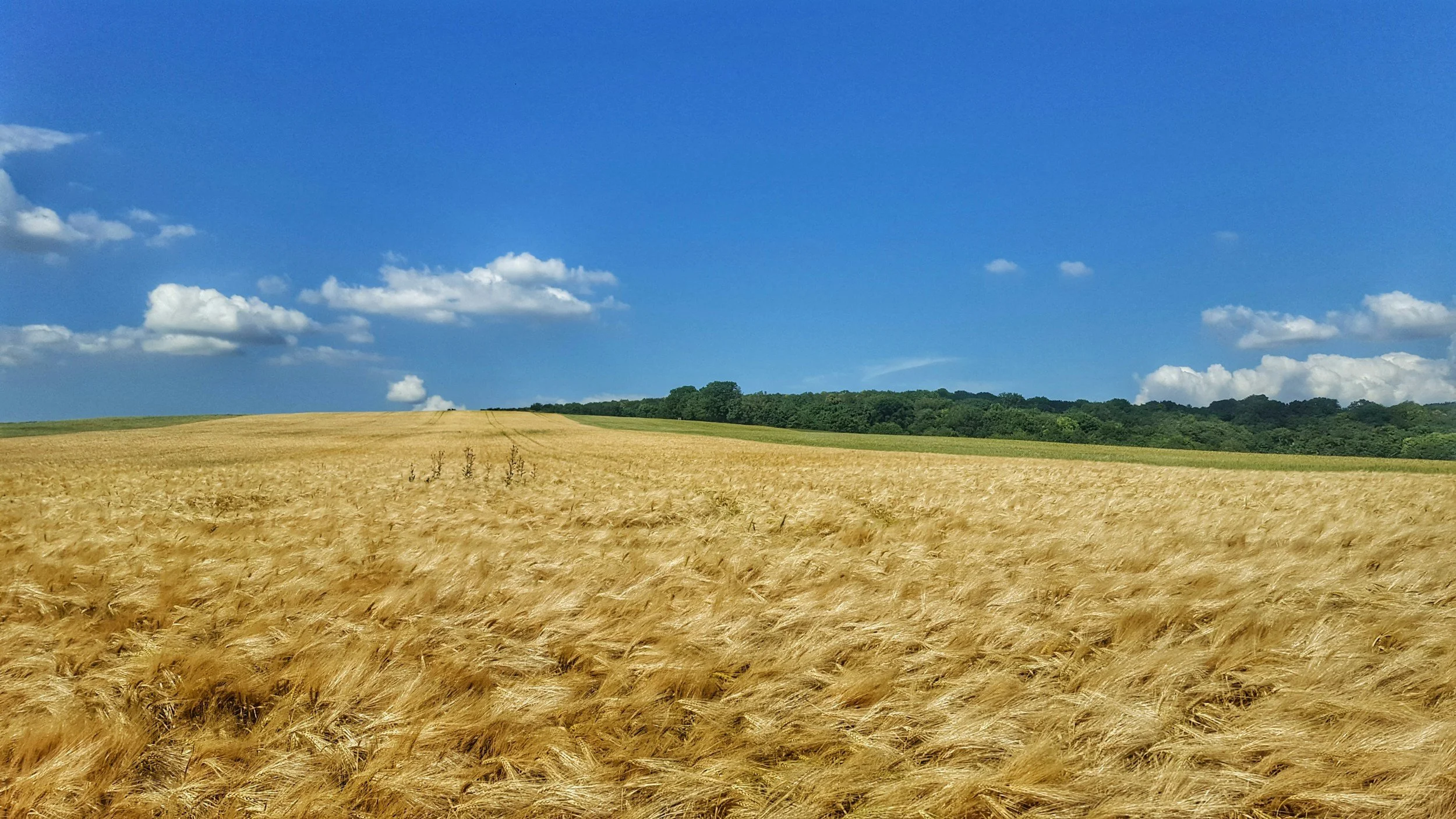
53 And the seven years of plenteousness, that was in the land of Egypt, were ended.
54 And the seven years of dearth began to come, according as Joseph had said: and the dearth was in all lands; but in all the land of Egypt there was bread.
55 And when all the land of Egypt was famished, the people cried to Pharaoh for bread: and Pharaoh said unto all the Egyptians, Go unto Joseph; what he saith to you, do.
56 And the famine was over all the face of the earth: and Joseph opened all the storehouses, and sold unto the Egyptians; and the famine waxed sore in the land of Egypt.
57 And all countries came into Egypt to Joseph for to buy corn; because that the famine was so sore in all lands.
And the seven years … were ended. Already the former unwonted fertility, which showed Joseph to have been a true prophet, had procured for him a name and reputation; and in this way the Egyptians had been restrained from raising any tumult against him. Nevertheless, it is wonderful that a people so proud should have borne, in the time of prosperity, the rule of a foreigner. But the famine which followed proved a more sharp and severe curb for the subjugation of their lofty and ferocious spirits, in order that they might be brought into subjection to authority. When, however, Moses says that there was corn in all the land of Egypt, while the neighbouring regions were suffering from hunger, he seems to intimate that wheat had also been laid up by private persons. And, indeed, (as we have said elsewhere,) it was impossible but the rumour of the approaching famine would be spread abroad, and would everywhere infuse fears and solicitude, so that each person would make some provision for himself. Nevertheless, however provident each might be, what they had preserved would, in a short time, be consumed. Whence it appeared with what skill and prudence Joseph had perceived from the beginning, that Egypt would not be safe, unless provisions were publicly gathered together under the hand of the king.
Go unto Joseph. It is by no means unusual for kings, while their subjects are oppressed by extreme sufferings, to give themselves up to pleasures. But Moses here means something else; for Pharaoh does not exonerate himself from the trouble of distributing corn, because he wishes to enjoy a repose free from all inconvenience; but because he has such confidence in holy Joseph, that he willingly leaves all things to him, and does not allow him to be disturbed in the discharge of the office which he had undertaken.
— John Calvin (1509-1564)
